Markers are shown only for places with reference coordinates. Numbers link markers to the list; nearby points are grouped. Confirm the exact visiting address.
Choose up to 12 places from this page and arrange them. Your selection is temporary and clears when the page, language or filters change. In the planner you will confirm how to add them to your trip.
Choose places for your route · 19
Selected places: 0 / 12
No places selected.
The planner will check that every place is still published. This order is a proposal, not an automatically calculated road route.
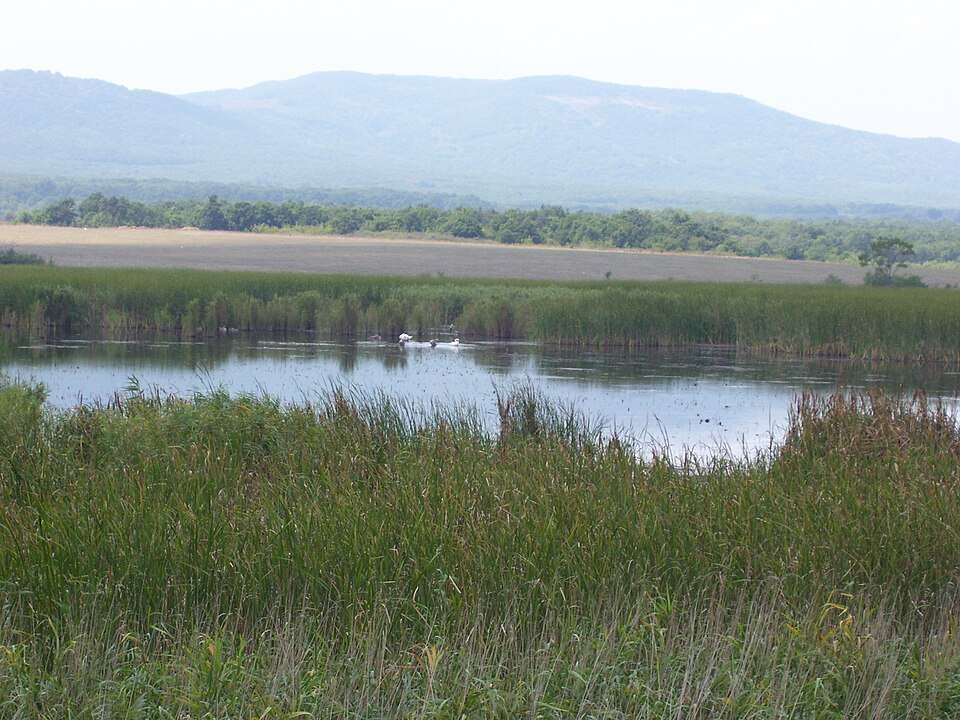
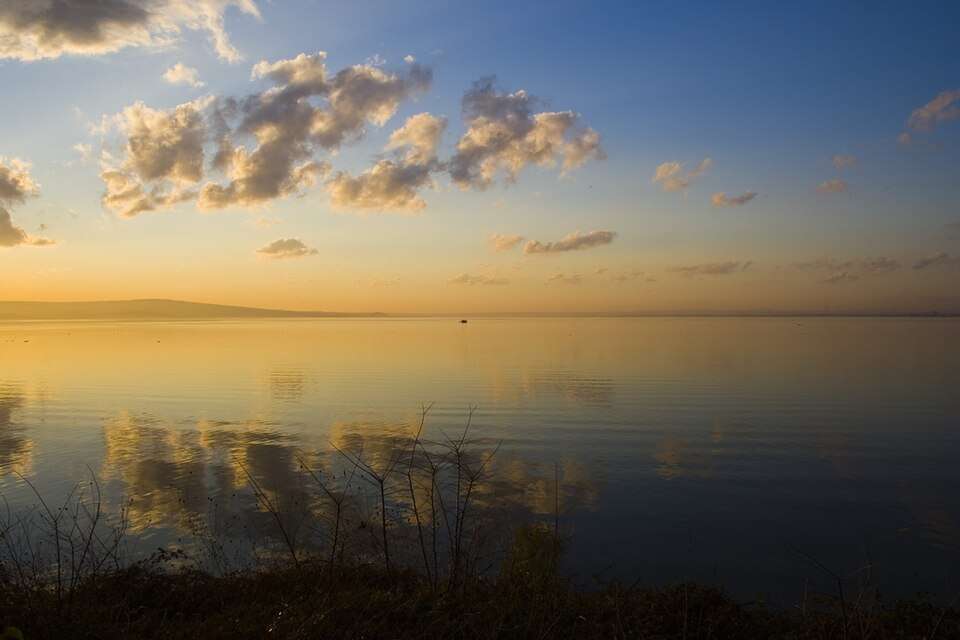
Alepu, also called Fox Marsh, is a coastal lagoon. The wetland is important for protected waterbirds, while neighbouring sand dunes support rare plants adapted to the distinctive conditions of this shoreline habitat.
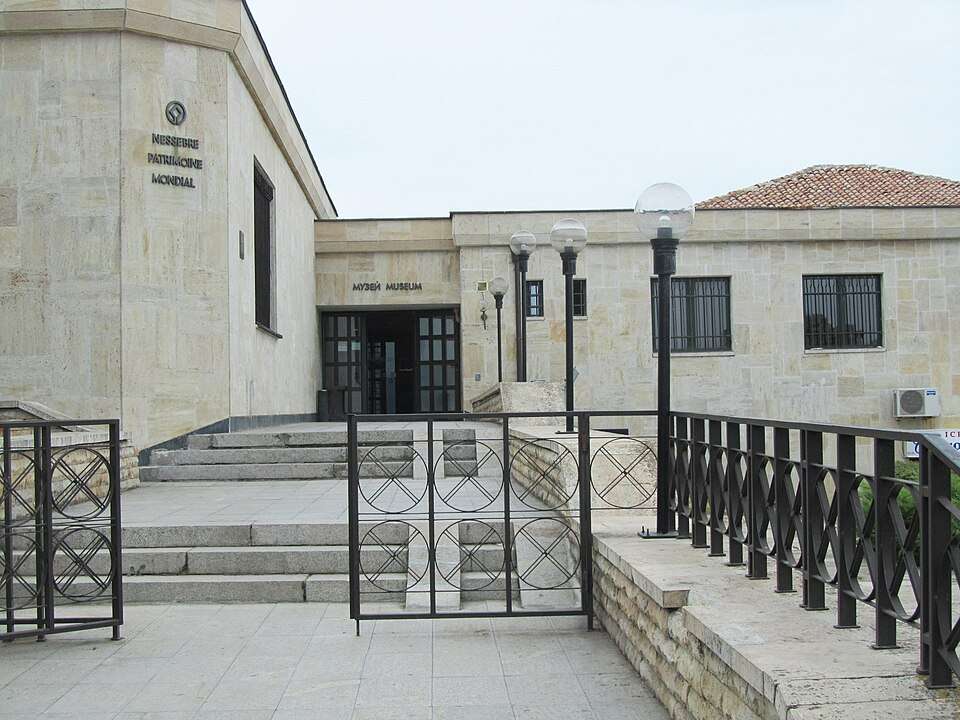
The displays connect Thracian heritage with the Greek city of Mesambria and its later Roman, Byzantine and Bulgarian periods. A separate icon gallery adds another perspective on local Christian culture.
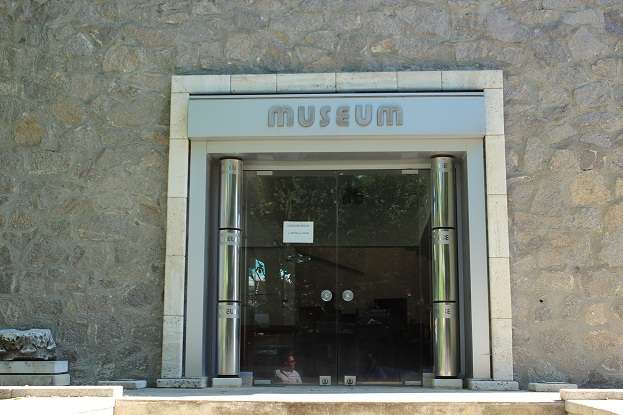
Founded in 1961, the museum traces Apollonia’s history through stone anchors, amphorae and painted ancient pottery. Anchors also appear on the city’s ancient coins, connecting seafaring with local identity.
White water lilies grow naturally in the marsh alongside reeds and other wetland plants. Sandy dunes beside the wetland support different vegetation, including the sea daffodil characteristic of the southern Black Sea coast.
The lake lies on the Via Pontica migration route, offering resting grounds for pelicans and storks. Salt production adds a cultural layer to a wetland whose shallow saline waters sustain diverse bird habitats.
Vaya receives river water from the west and seawater through a channel. This combination creates a coastal wetland used by nesting herons and by migrating birds resting along the Via Pontica flyway.
The cape forms an almost vertical cliff about sixty metres high and marks the end of Bulgaria’s E3 walking route. Remains of Emona fortress and a medieval monastery complement the coast’s geological heritage.
Alongside archaeological finds and Strandzha icons, the collections explore the Preobrazhenie Uprising and regional dress. Intangible heritage displays explain fire dancing, the White Kuker tradition and local devotion to saints.
The protected area covers 42.3 hectares beside Irakli Bay. Its neighbouring beach stretches more than three kilometres, while the protected territory extends towards Cape Emine, preserving a characteristic Black Sea coastal landscape.
Mandra belongs to the coastal lake complex around Burgas alongside Vaya, Atanasovsko and Pomorie lakes. The area lies on Via Pontica and supports a rich diversity of migratory birds.
The Sinemorets treasures illuminate coastal Strandzha's ancient wealth. Gold jewellery and silver tetradrachms, including rare coins of the Thracian king Mostis, connect the region's heritage with the wider Hellenistic world.
Petrova Niva commemorates the 1903 congress associated with the Preobrazhenie Uprising. Its monument was unveiled in 1958, while photographs, documents and objects in the museum exhibition recount the events and their participants.
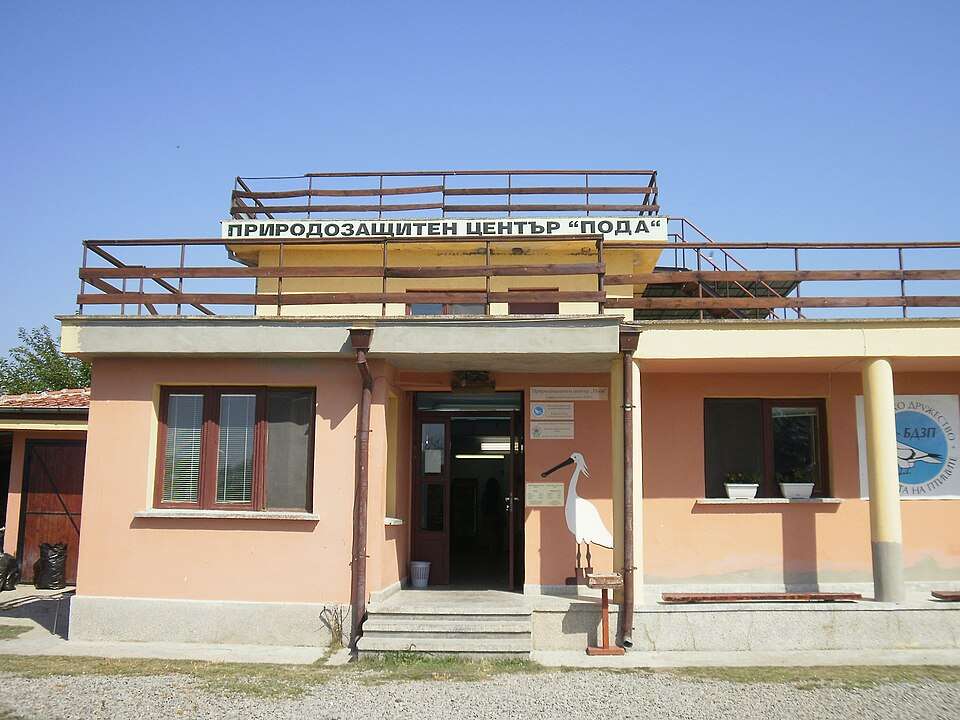
Managed by the Bulgarian Society for the Protection of Birds, this wetland combines conservation and environmental education. Pelicans, white-tailed eagles and pygmy cormorants feature among its birds; migration research also takes place.
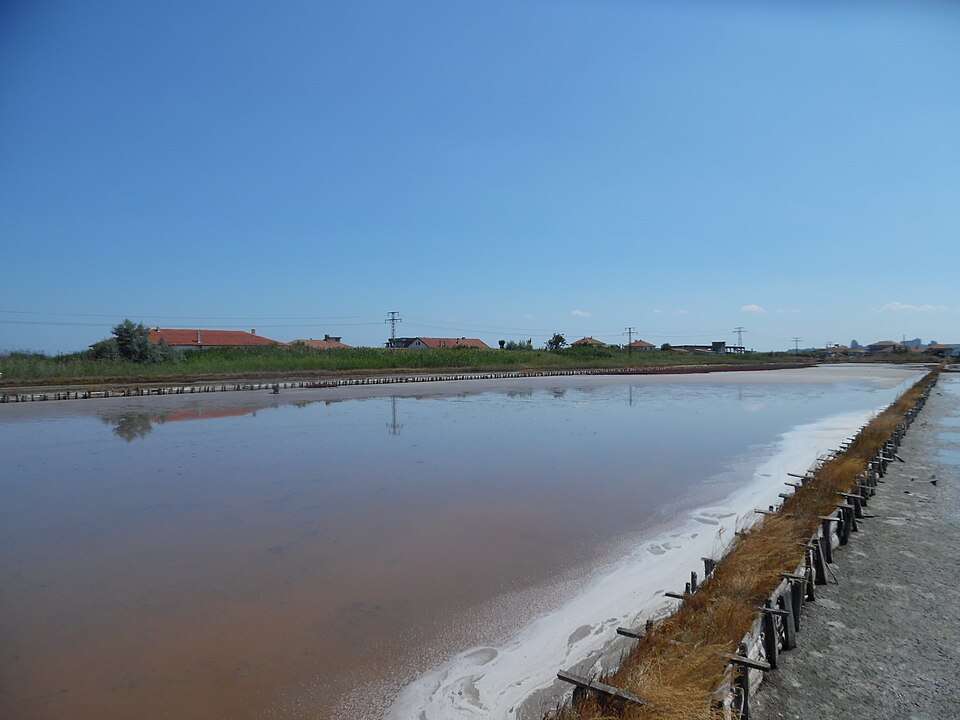
The hypersaline lagoon supports specialised salt-tolerant plants and animals. Positioned along the Via Pontica migration route, it shelters Sandwich terns and belongs to both the Ramsar list and Natura 2000 network.
The circular chamber has an unusual vault spreading from a central cylindrical column. Ceramic air ducts provide ventilation; the combination of Thracian traditions and Roman construction makes its architecture particularly distinctive.
The museum explains Anchialos’s method of producing sea salt through solar evaporation. Salt pans accompany authentic tools, old topographic maps and photographs documenting this local livelihood in the early twentieth century.
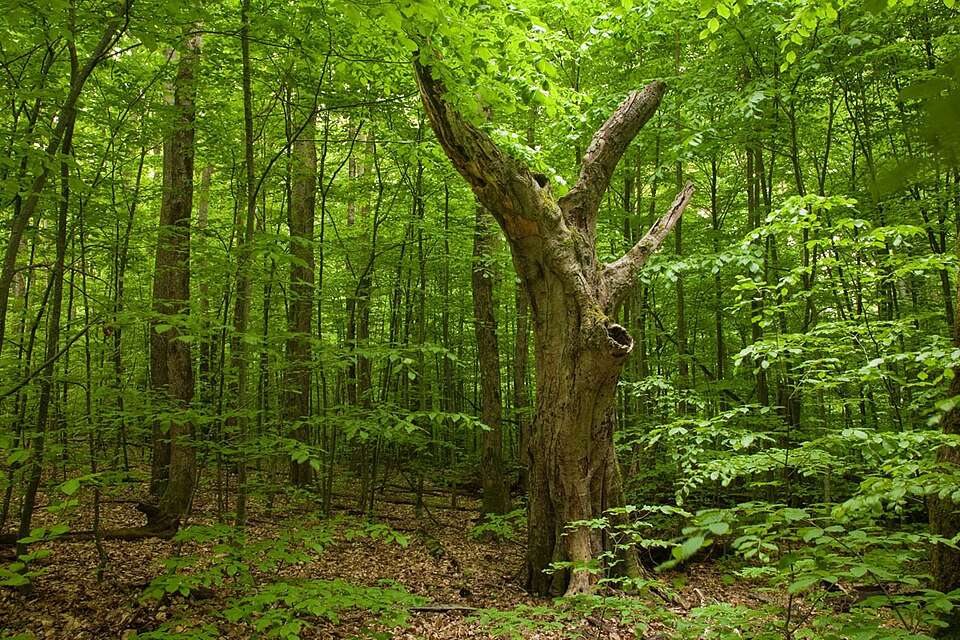
Oriental beech forests have evergreen undergrowth of Pontic rhododendron. They preserve vegetation of ancient Tertiary origin, surviving through mild winters, high rainfall and the region’s distance from Quaternary glaciation.
The rocks in the Kazanite area resemble human figures. A local legend associates them with three powerful brothers who defended the Aetos fortress and transformed into rocks to conceal themselves.
Uzunbodzhak was declared a reserve in 1956 to conserve centuries-old mixed oak and oriental beech forests. It forms part of the conservation core of the wider biosphere park bearing the same name.