Markers are shown only for places with reference coordinates. Numbers link markers to the list; nearby points are grouped. Confirm the exact visiting address.
Choose up to 12 places from this page and arrange them. Your selection is temporary and clears when the page, language or filters change. In the planner you will confirm how to add them to your trip.
Choose places for your route · 11
Selected places: 0 / 12
No places selected.
The planner will check that every place is still published. This order is a proposal, not an automatically calculated road route.
The Gold of Dobruja collection explores fieldwork, seasons and regional celebrations through painting and sculpture. A separate collection of paper artworks introduces international artists' experiments with this versatile creative material.
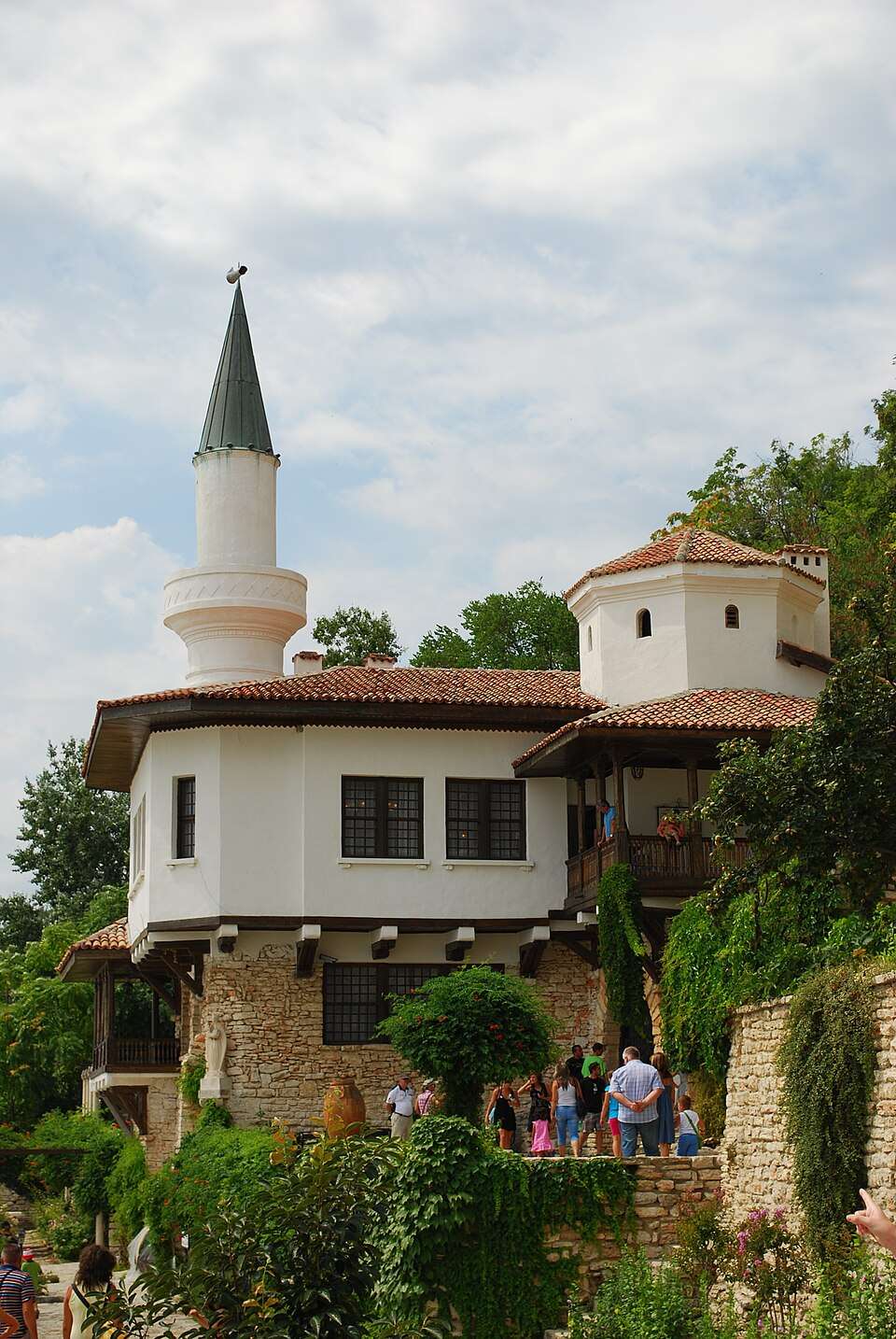
The Stella Maris chapel, built in 1929–1930, reproduces a church in Trikomo, Cyprus. Queen Marie sent a stonemason to measure the original for her seaside residence in Balchik.
The periodically flooded forest beside the Batova shelters field elm, ash and moisture-loving plants. River water, woodland shade and coastal climate create a distinctive natural environment close to the seaside beaches.
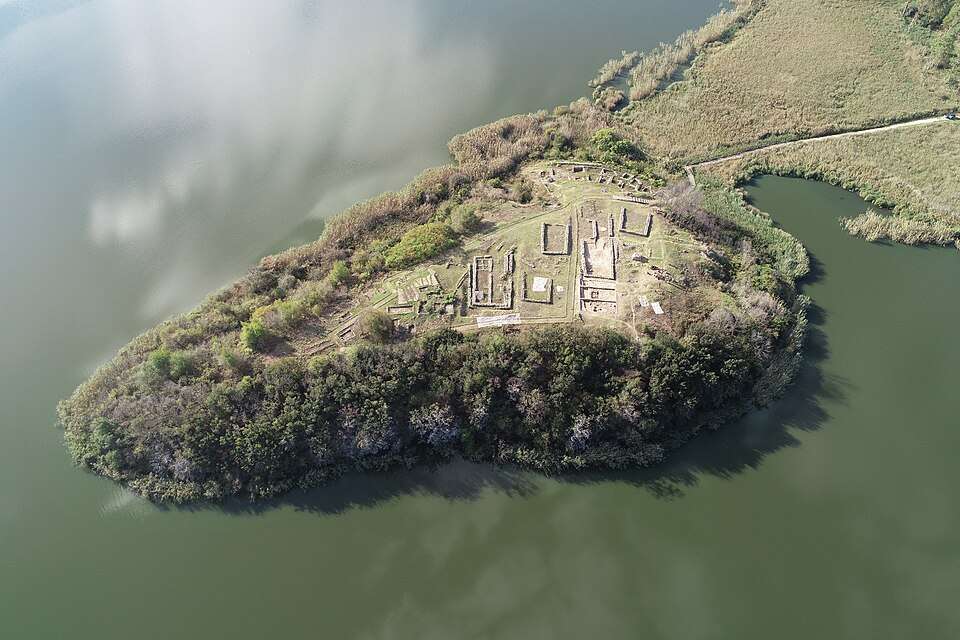
The prehistoric complex presents Hamangia culture through a cemetery and remains of early stone architecture. Archaeological layers beside the lake provide material evidence of ancient communities developing in Black Sea Dobruja.
The lake lies on the Via Pontica migration route and shelters breeding and wintering waterbirds. Characteristic inhabitants include little bitterns and ferruginous ducks, while its waters preserve wild carp.
Archaeological finds present the past of the Kavarna region, while old photographs show the nineteenth-century town. Books, weapons and drawings extend the story of local inhabitants and their struggles for liberation.
Three successive lines of fortifications defended the cape from the landward side. Known to the Romans as Acros Castellum, its surviving walls reveal the Black Sea promontory's enduring military importance.
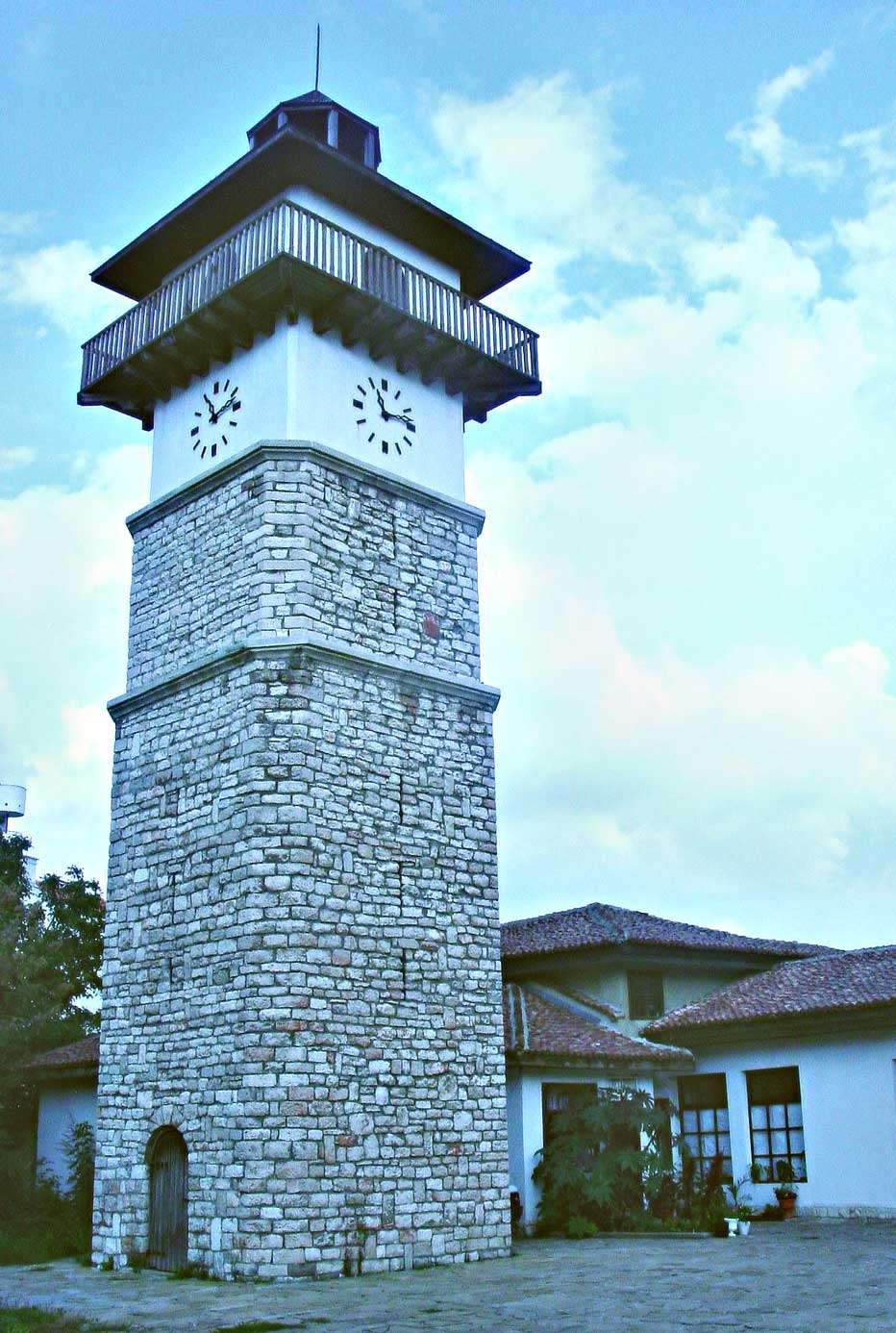
The complex occupies the former Odun and Un markets. Its reconstructed bazaar preserves Dobrujan crafts from the late nineteenth and early twentieth centuries through the work of hereditary master craftspeople.
The two coastal lagoon lakes are linked by a channel and form one wetland. Sand dunes, grassland communities and wooded areas complement the waters, creating a varied natural complex on the northern Black Sea coast.
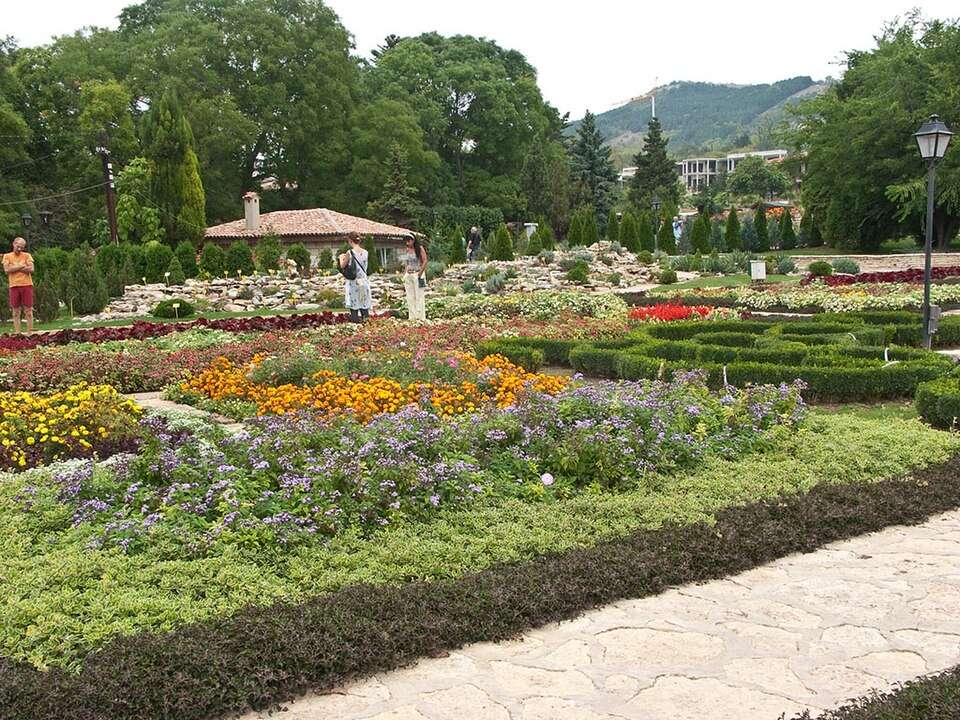
The botanical garden develops scientific collections within a former royal residence's park. Terraces, water features and local Balchik stone combine with cacti, succulents and rare plants from different regions.
The museum complex traces Yordan Yovkov’s connection with Dobrudzha, a source of his literary themes. His wife Despina’s family house preserves memories of their marriage and his work on The Reaper.