Markers are shown only for places with reference coordinates. Numbers link markers to the list; nearby points are grouped. Confirm the exact visiting address.
Choose up to 12 places from this page and arrange them. Your selection is temporary and clears when the page, language or filters change. In the planner you will confirm how to add them to your trip.
Choose places for your route · 16
Selected places: 0 / 12
No places selected.
The planner will check that every place is still published. This order is a proposal, not an automatically calculated road route.
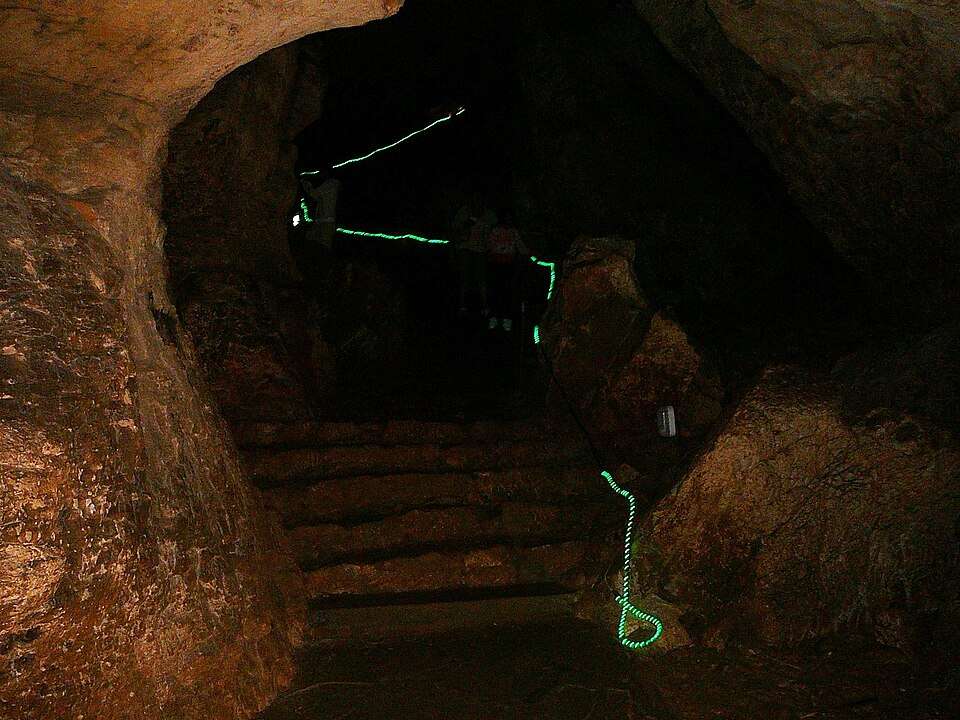
The cave forms a complex four-level maze of galleries and branches near Dryanovo Monastery. The long natural development of its underground spaces adds a geological dimension to the area's cultural landscape.
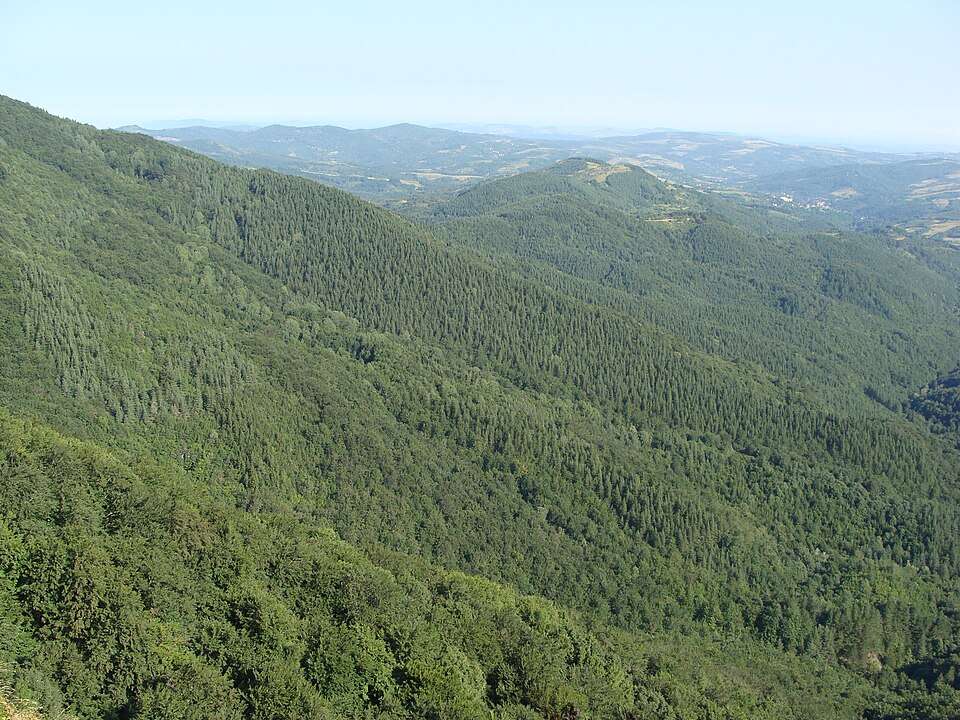
Beech ecosystems form a central part of the protected natural heritage. The forests shelter bears, wolves and deer, while varied slopes and climatic conditions support rich flora, including many medicinal plants.
The park includes the highest parts of the central Balkan Mountains and nine strict reserves. Their representative old beech forests belong to UNESCO’s international heritage property protecting Europe’s ancient beech forests.
The plateau’s limestone bedrock produces sinkholes, chasms, caves and karst wetlands. Dry grasslands are important for orchids, while rock complexes and caves provide habitats for birds and bats across the area.
During the April Uprising, the monastery became a stronghold for Pop Hariton’s band. Its memorial ossuary, consecrated in 1897, preserves the memory of fighting and the monastery’s destruction in 1876.
Opened in 1964 on Lazar Donkov’s initiative, the museum demonstrates how water powered local livelihoods. Mills, fulling equipment and woodworking machinery illustrate the relationship between mountain streams and Central Balkan craft production.
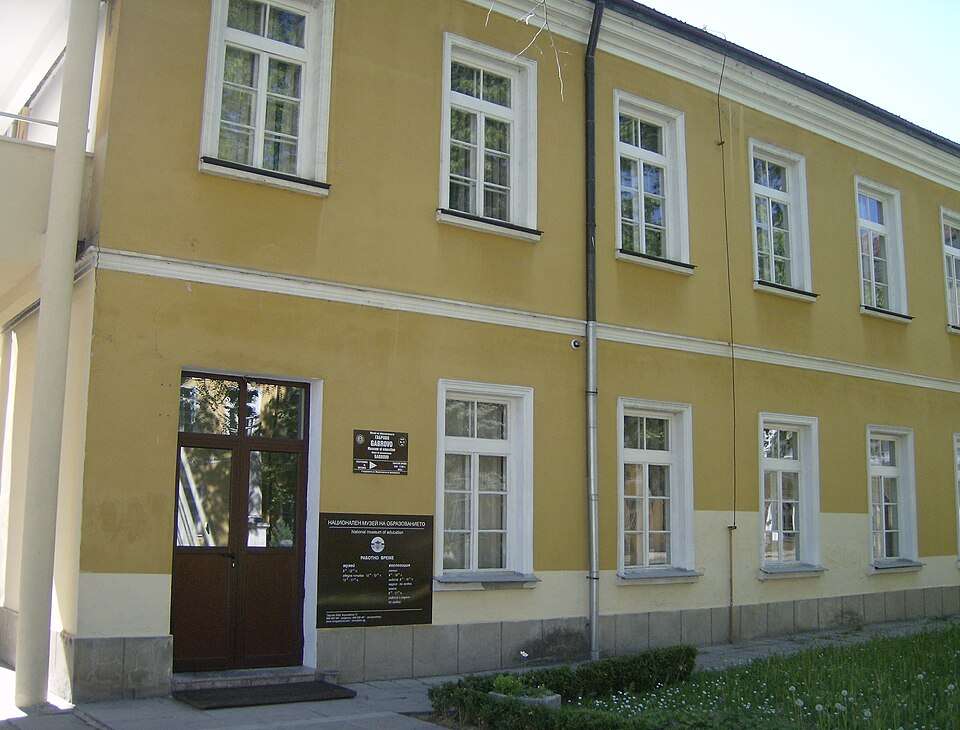
Hadzhi Stoyan Nikolov funded the school, whose first teacher was Petko Slaveykov. Later museum displays of local archaeology and Revival history continued the building's connection with education and civic life.
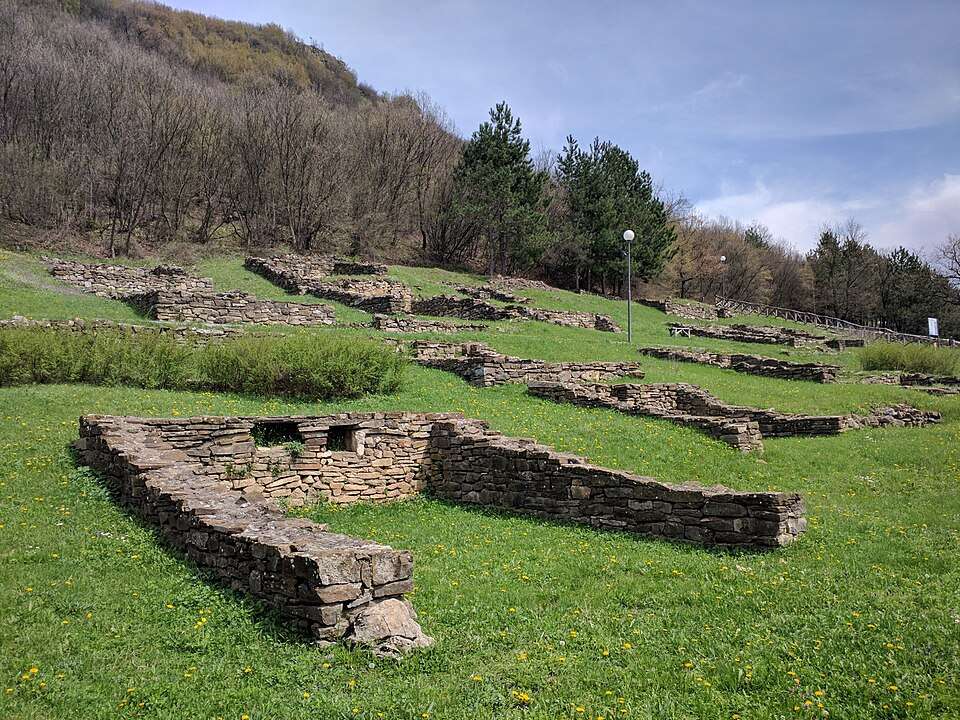
Hotalich combines an early Byzantine fortress with a developed medieval town. Excavations reveal homes, workshops and churches below the hilltop citadel, whose substantial walls, gates and defensive tower form its fortified core.
Gabrovo's tradition of self-mocking humour continues through international cartoons and contemporary art. The museum organises the Humour and Satire Biennial, connecting local anecdotes with wider visual commentary on society.
Tools, building documents and woodcarving samples reveal the master’s working methods. Models, archival photographs and drawings present his churches, houses and bridges, including structures in his home town of Dryanovo.
The historic Aprilov High School building connects the museum with the beginnings of secular Bulgarian education. Gabrovo's textbooks and teaching materials became models for new schools established during the Revival.
The Baroque museum building was designed by architect Nikola Lazarov. Its collections include traditional sokai headwear, weapons of local mountain-pass guards and a surviving flag from an early Bulgarian factory.
The park museum preserves battle positions, batteries and dugouts associated with the pass’s defence in 1877–1878. The Freedom Monument displays weapons, documents, decorations and personal possessions belonging to participants in the fighting.
The monastery church's icons were painted by several National Revival artists, including Hristo Tsokev. Its Annunciation chapel preserves the memory of another monastic complex that once stood in central Gabrovo.
Bulgarian researchers identified the geographical centre in 1991 using six mathematical methods. Sculptor Petar Hadzhiganev designed its pyramid-shaped marker with a plumb line, painted in the national flag’s colours.
The Daskalov House presents Tryavna’s woodcarving and icon-painting traditions through original works, tools and materials. Gencho Marangozov’s wooden sculptures of historical figures connect the region’s craftsmanship with Bulgaria’s national historical memory.