Markers are shown only for places with reference coordinates. Numbers link markers to the list; nearby points are grouped. Confirm the exact visiting address.
Choose up to 12 places from this page and arrange them. Your selection is temporary and clears when the page, language or filters change. In the planner you will confirm how to add them to your trip.
Choose places for your route · 11
Selected places: 0 / 12
No places selected.
The planner will check that every place is still published. This order is a proposal, not an automatically calculated road route.
The Thracian art museum centre was created with Japanese financial support. Its 2009 opening, attended by Prince Akishino and his wife, highlights international cooperation in presenting and preserving the region’s ancient Thracian heritage.
The centre’s interactive exhibition explores vultures and their conservation. Volcanic cliffs along the Arda valley provide habitat for griffon and Egyptian vultures, as well as black storks and other birds.
The observing pavilion’s movable roof exposes telescopes for daytime solar and night observations. Teaching globes, an armillary sphere and a Sun–Earth–Moon model complement astronomical learning at the Dimitrovgrad observatory.
Documents and architectural plans tell the story of Dimitrovgrad’s creation in 1947. The exhibition preserves uniforms, badges and tools of the youth brigade movement that helped build the new town.
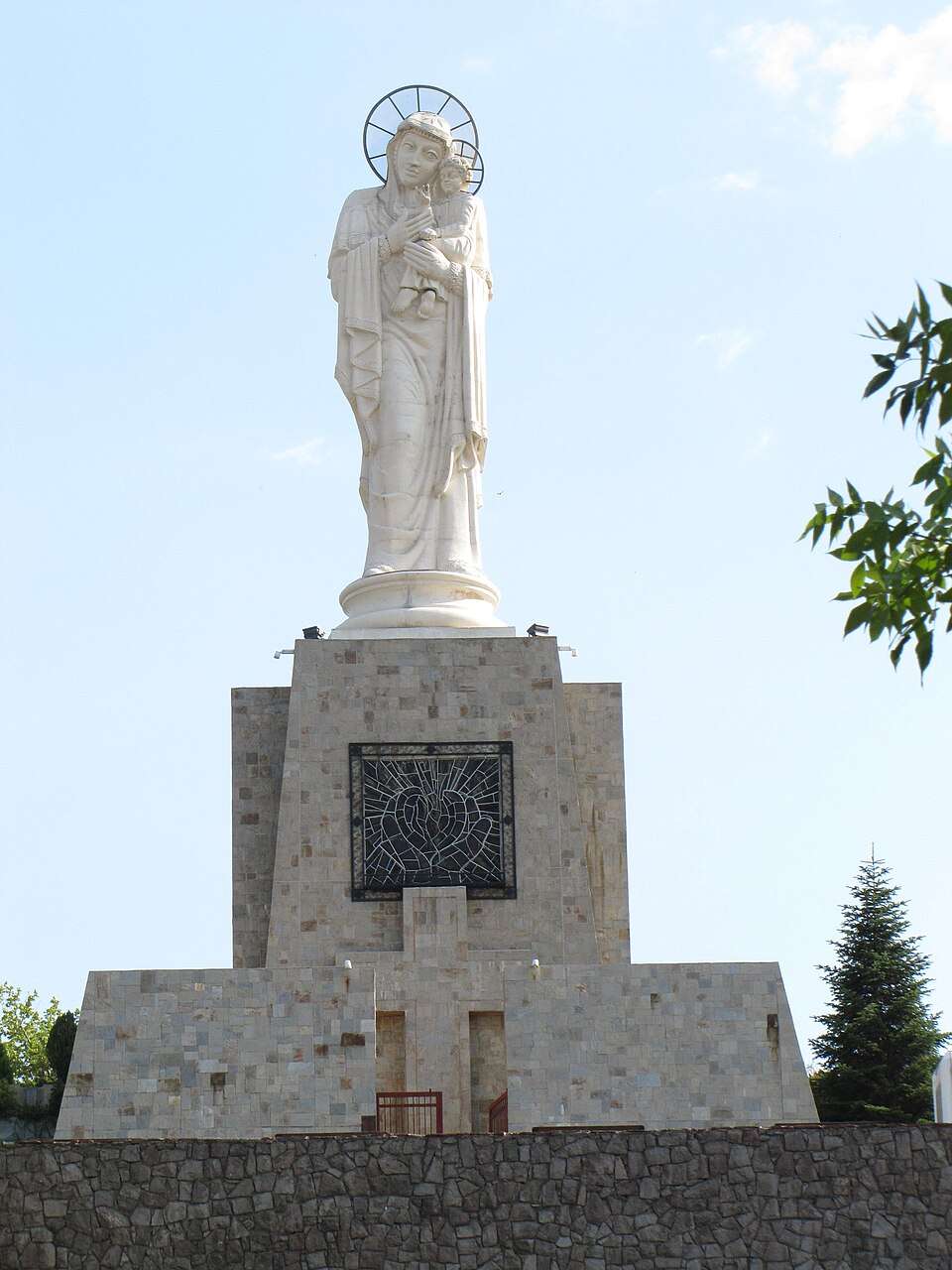
The monument was unveiled in 2003 and funded through public donations. A Nativity of the Virgin chapel occupies its base, while the Marian figure reflects Haskovo’s tradition of regarding the Virgin as its protector.
The fortress was built from rubble stone bonded with mortar and protected by nine towers. Five reinforce its southern side; the complex provided permanent accommodation for military units.
The monumental structure uses dry masonry without mortar. Evidence of repeated burials and finds of gold jewellery, glass and pottery indicate its use by members of the Thracian aristocracy.
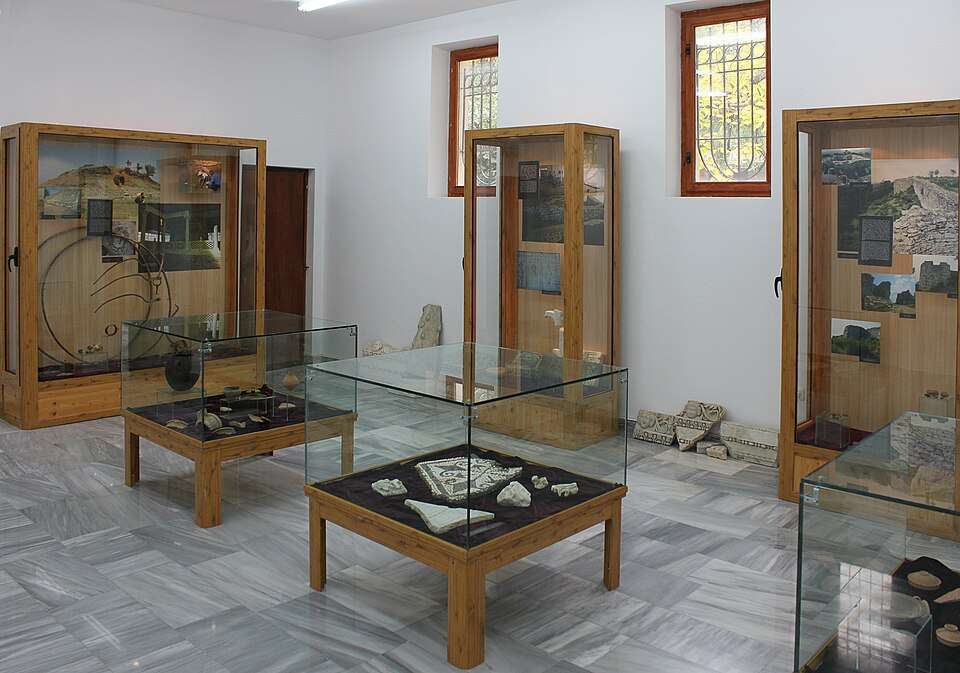
Pottery from Villa Armira, parts of a Thracian funerary chariot and finds from Lyutitsa Fortress connect several archaeological sites. A historical map and domestic objects add the story of the local community.
The preserved room where the poet lived and worked brings visitors closer to his personal world. Photographs, verses, recollections and portraits by his son Vladimir Penev connect literature with family remembrance.
The Western Rhodopes are higher and rich in gorges and caves, while the eastern ranges have lower relief. River valleys bring Mediterranean influence, helping explain the mountain’s varied vegetation and contrasting natural landscapes.
The villa was built as the centre of a large Thracian aristocratic estate during Roman times. Marble decoration, floor mosaics and a colonnaded courtyard with a pool reveal provincial architectural luxury.