Markers are shown only for places with reference coordinates. Numbers link markers to the list; nearby points are grouped. Confirm the exact visiting address.
Choose up to 12 places from this page and arrange them. Your selection is temporary and clears when the page, language or filters change. In the planner you will confirm how to add them to your trip.
Choose places for your route · 18
Selected places: 0 / 12
No places selected.
The planner will check that every place is still published. This order is a proposal, not an automatically calculated road route.
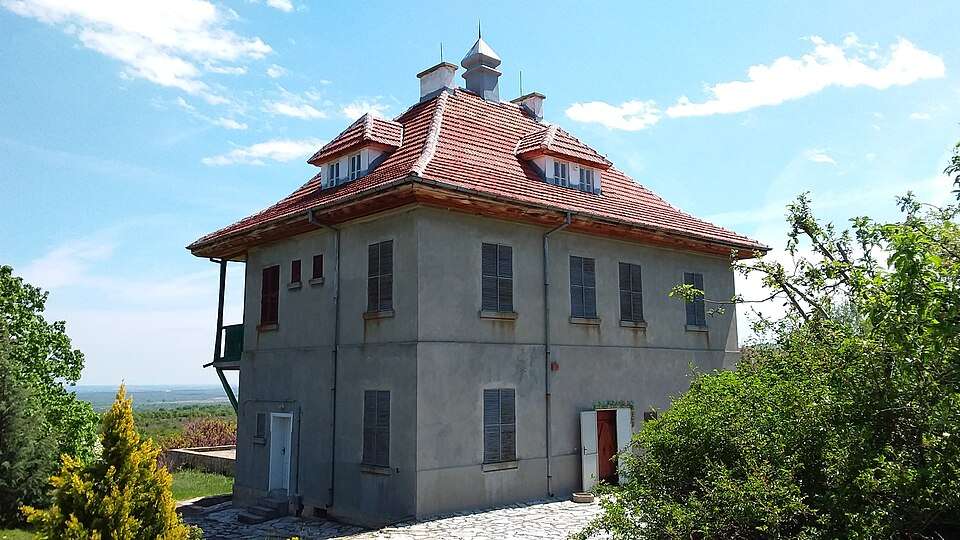
Stamboliyski built the two-storey villa on his own property in 1922. The complex includes an older house and farm buildings; he was killed here following the June 1923 coup.
The carved wooden iconostasis was created by masters of the Debar school. Its layered openwork combines geometric, plant and animal ornament with biblical scenes, offering a concentrated expression of National Revival art.
The reserve’s conifer forests include Scots pine, spruce and fir, alternating with broadleaf stands. Herbaceous plants include Balkan endemics Haberlea rhodopensis and mountain tea, reflecting the area’s botanical diversity.
The museum complex connects Batak’s archaeological heritage with remembrance of the April Uprising. The Sveta Nedelya ossuary church, Sharov House and Balinov House add traditional architecture and evidence of local everyday life.
The exhibition on Bratsigovo’s builders preserves their guild’s original rulebook and a dictionary of their secret Meshterski language. Tools and photographs reveal the craft’s organisation and the local Revival-period school of construction.
The archaeological exhibition gives special prominence to finds from Zhaba Mogila. Ethnographic rooms present local crafts and commerce, while the art department preserves a collection of works by Milyo Marinov Baltov.
Thracian pottery, textiles and clothing introduce the communities of the Chepino region. Exhibits devoted to opera bass Nicolai Ghiaurov include stage costumes, scores and recordings, connecting local history with international music.
Kupena's forests include coniferous and broadleaf stands, with spruce and Scots pine prominent. Scientific studies of lichens reveal another, less immediately visible layer of biodiversity within this protected forest landscape.
Lepenitsa is a three-level marble cave containing an underground river. Specialised cave organisms live here, including Buresh’s beetle, Drenski’s spider and the Lepenitsa centipede, species found nowhere else.
Field research in Mantaritsa recorded three-toed woodpeckers and boreal owls. These rare representatives of boreal fauna inhabit old coniferous forests, favouring spruce, and highlight the importance of intact woodland habitats.
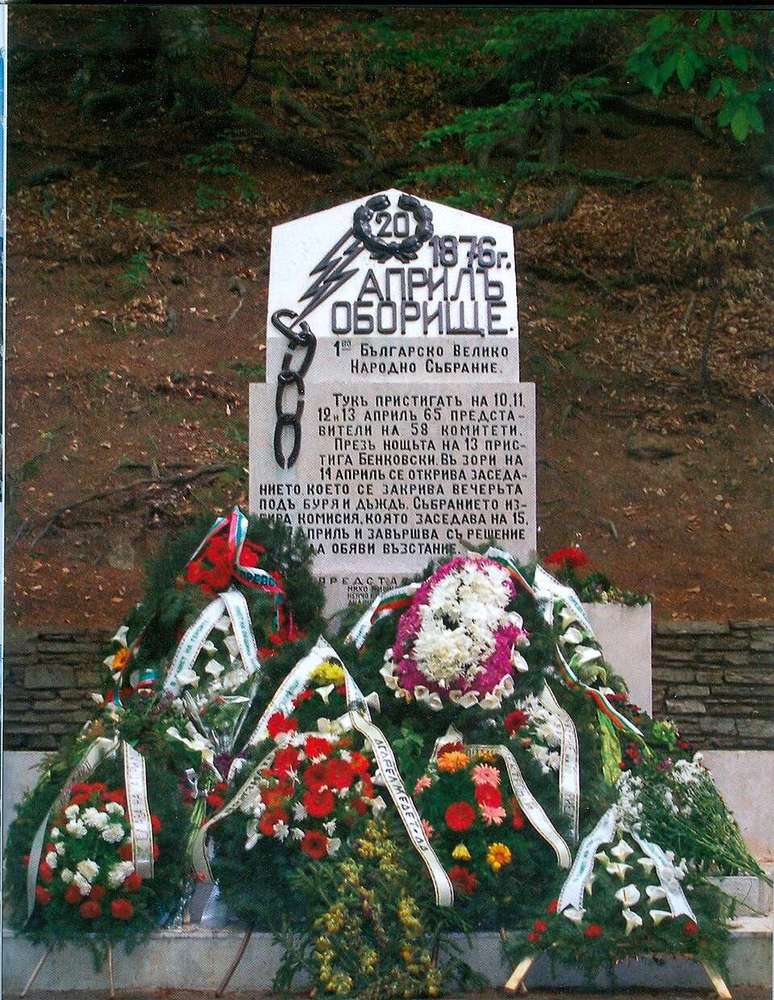
On the forest clearing, delegates debated leadership and preparations for the April Uprising under Georgi Benkovski. Their names on the white stone monument commemorate the collective decision made at this gathering.
Large clay storage jars displayed beside the fortress walls show how the garrison kept provisions. Two towers were converted into churches, revealing the overlap between defensive and religious functions in late antiquity.
The museum preserves a flag Rayna Knyaginya made for an anniversary of the April Uprising. After her release from prison, she studied midwifery in Russia and supported rescued children from Panagyurishte.
Archaeological rooms contain prehistoric figurines, ritual objects, coins and votive plaques of the Thracian Horseman. A separate ethnographic exhibition in an authentic National Revival house complements the region’s cultural history.
The Western Rhodopes are higher and rich in gorges and caves, while the eastern ranges have lower relief. River valleys bring Mediterranean influence, helping explain the mountain’s varied vegetation and contrasting natural landscapes.
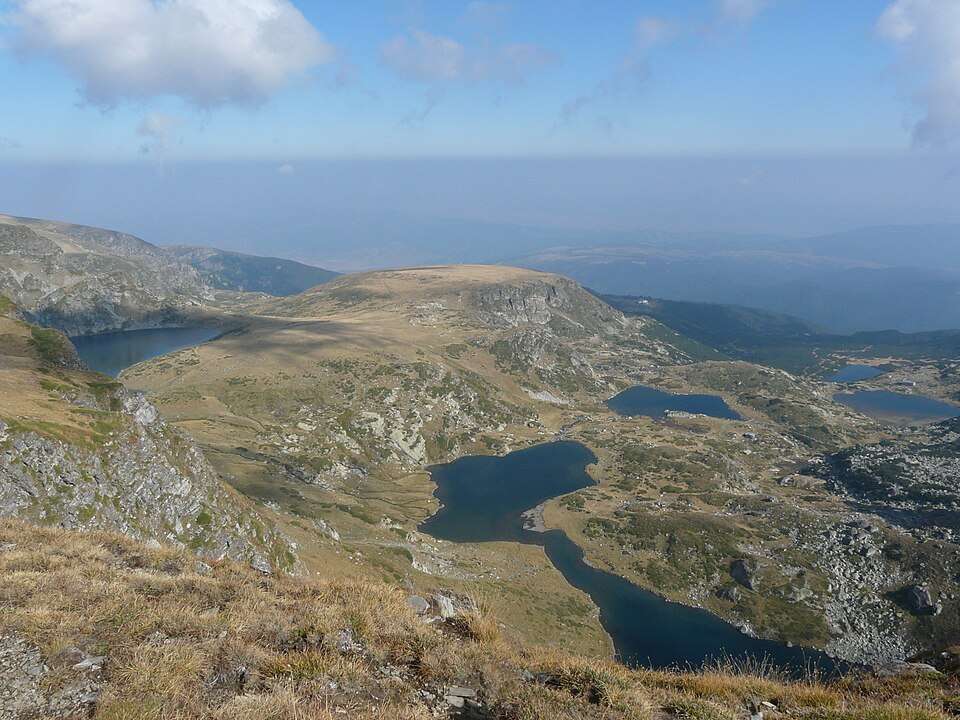
Glaciation left groups of high mountain lakes, with coniferous forests below the treeless ridges. The Iskar, Maritsa and Mesta originate within the park, linking mountain ecosystems with distant river basins.
Three climbers discovered the cave in 1961. White marble and sinter formations create fairytale shapes, while beech roots penetrate rock fissures into the chamber known as the Hall of Beards.
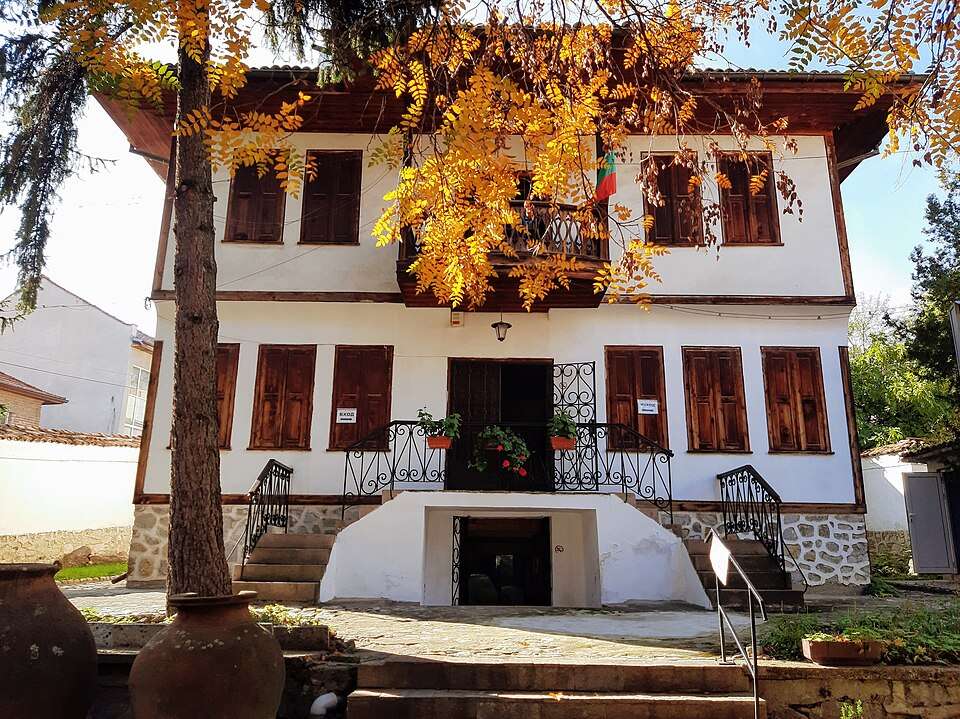
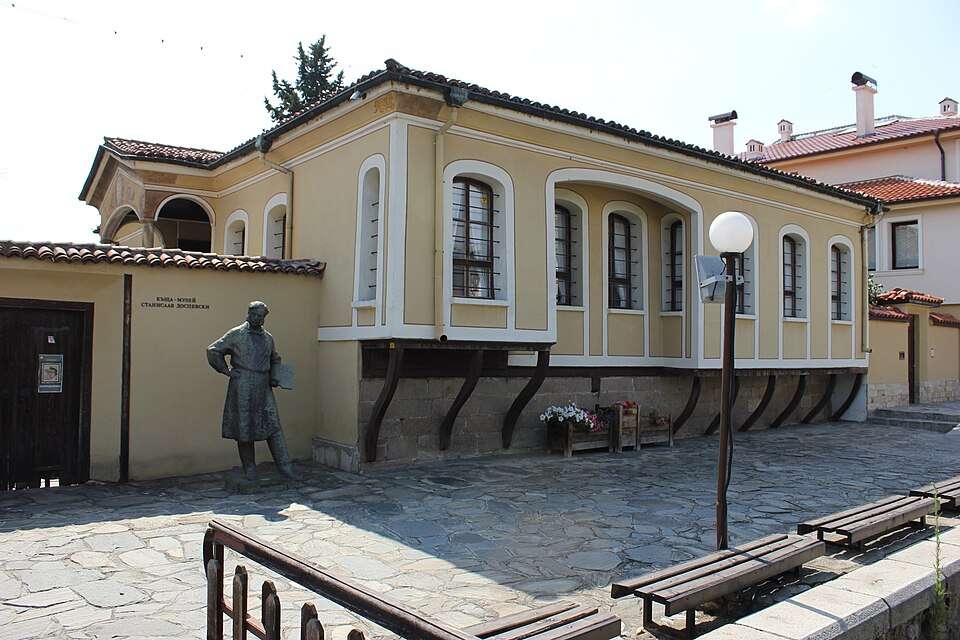
Bratsigovo craftsmen built the house in 1864. Dospevski was the artistic pseudonym of Zafir Zograf; the exhibition combines authentic furnishings with original artworks, including portraits of the painter’s family.