Markers are shown only for places with reference coordinates. Numbers link markers to the list; nearby points are grouped. Confirm the exact visiting address.
Choose up to 12 places from this page and arrange them. Your selection is temporary and clears when the page, language or filters change. In the planner you will confirm how to add them to your trip.
Choose places for your route · 10
Selected places: 0 / 12
No places selected.
The planner will check that every place is still published. This order is a proposal, not an automatically calculated road route.
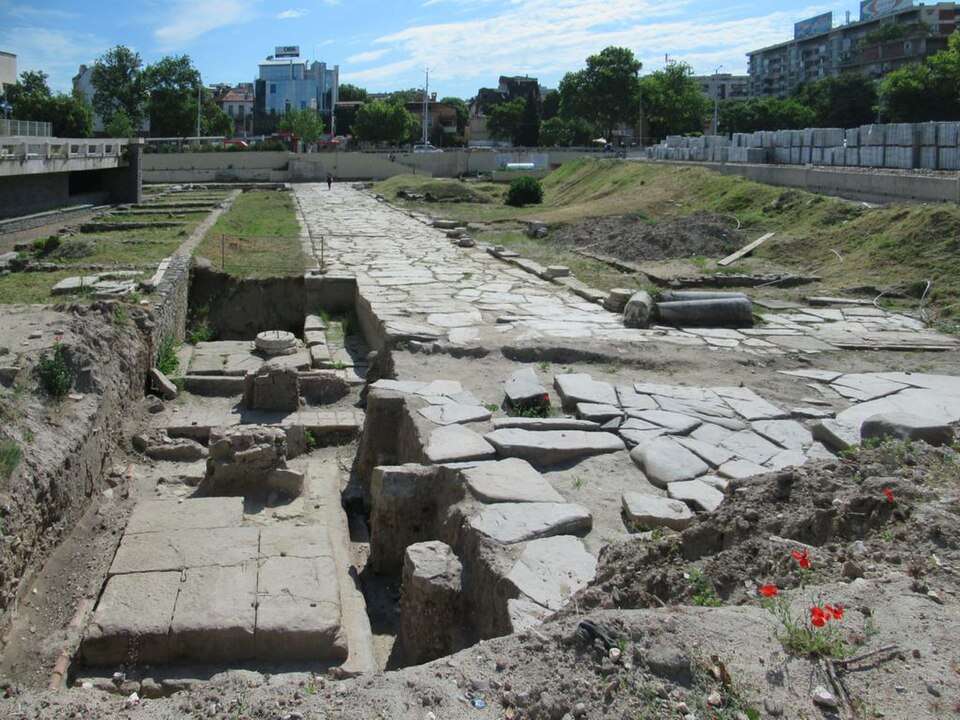
The forum was built in the late first century as Philippopolis adopted Roman urban planning. Shops bordered three sides; the northern Odeon first housed the city council before becoming a theatre.
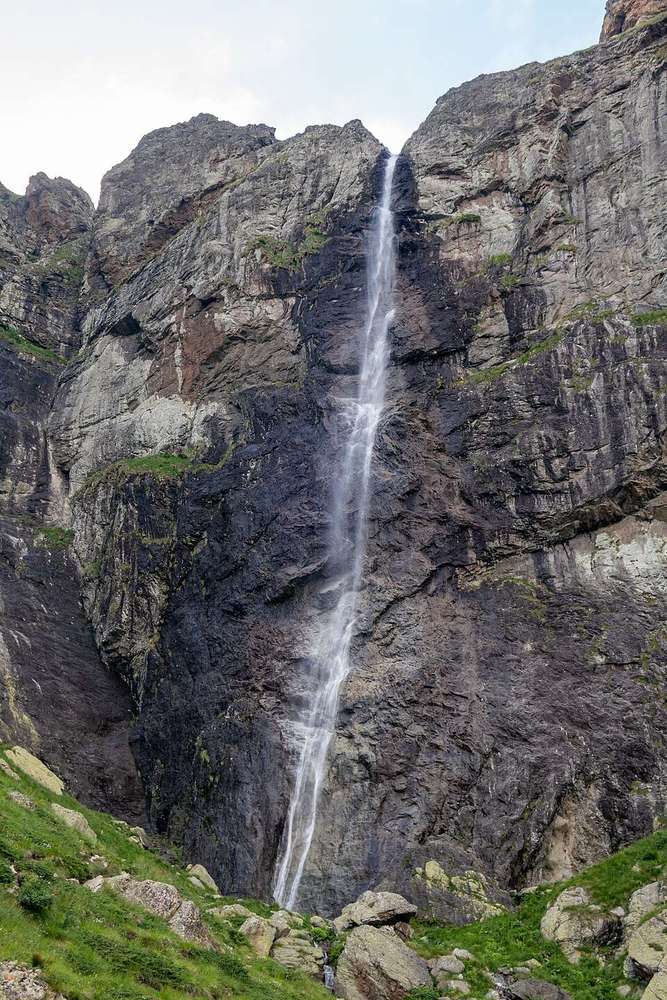
The Praskalska River drops 124.5 metres over a vertical granite cliff. The waterfall lies in Dzhendema Reserve below Botev Peak, and its waters later help form the Byala River.
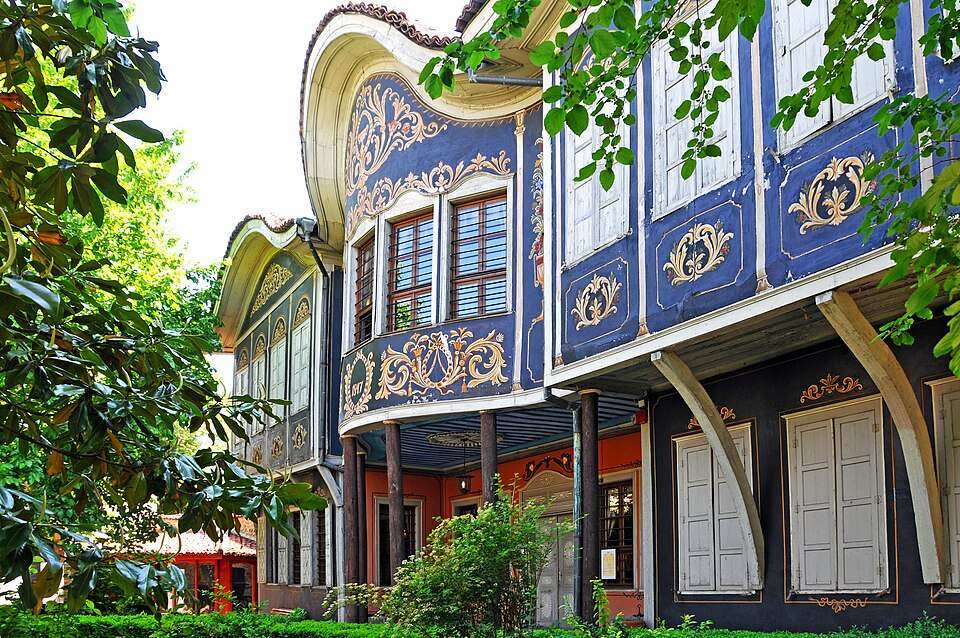
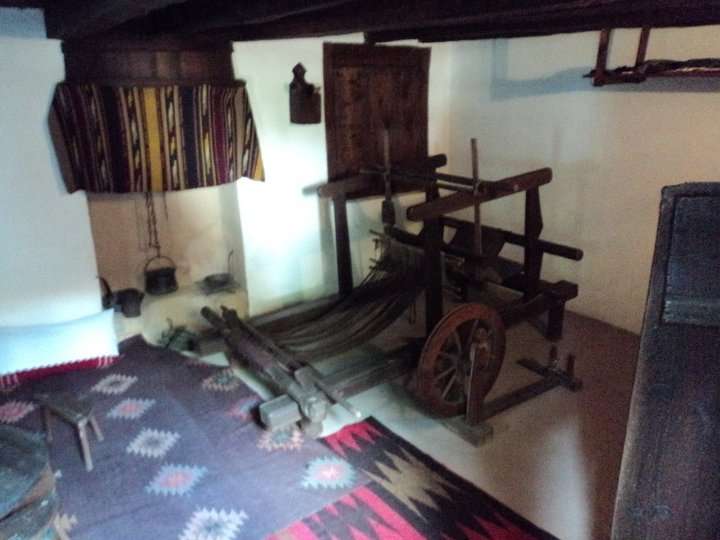
The Kuyumdzhioglu house holds collections covering farming, crafts, clothing, domestic interiors and music. The museum's beginnings are linked to researcher Stoyu Shishkov, who gathered material on life across the Plovdiv region.
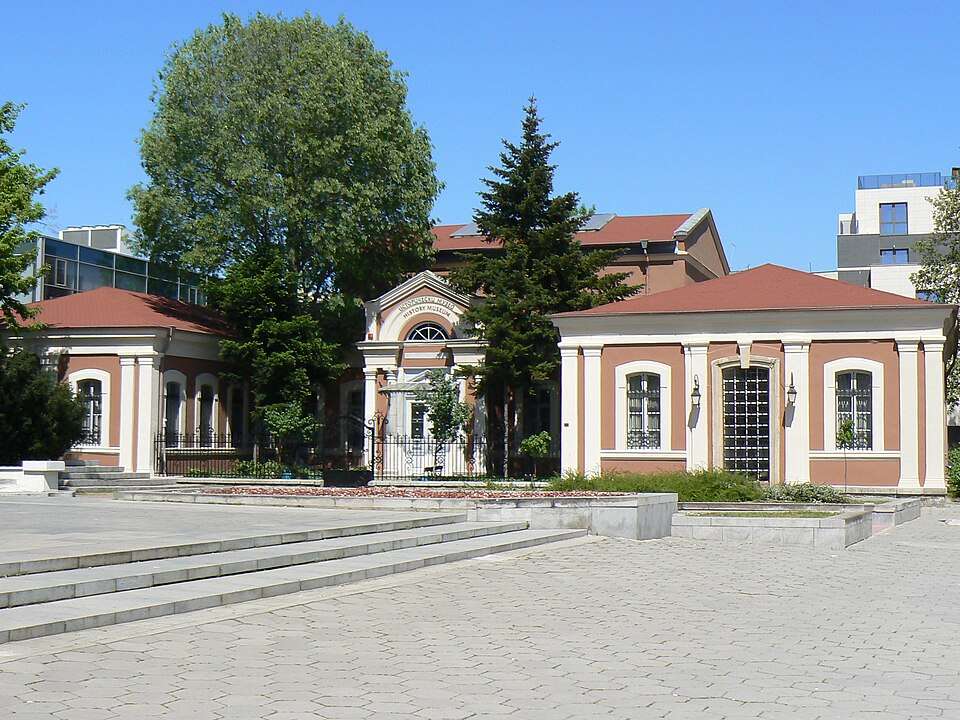
The Revival exhibition occupies Dimitar Georgiadi’s house. The former Regional Assembly presents the 1885 Unification, while Hristo G. Danov’s home explores the development of publishing in Plovdiv and its region.
The Western Rhodopes are higher and rich in gorges and caves, while the eastern ranges have lower relief. River valleys bring Mediterranean influence, helping explain the mountain’s varied vegetation and contrasting natural landscapes.
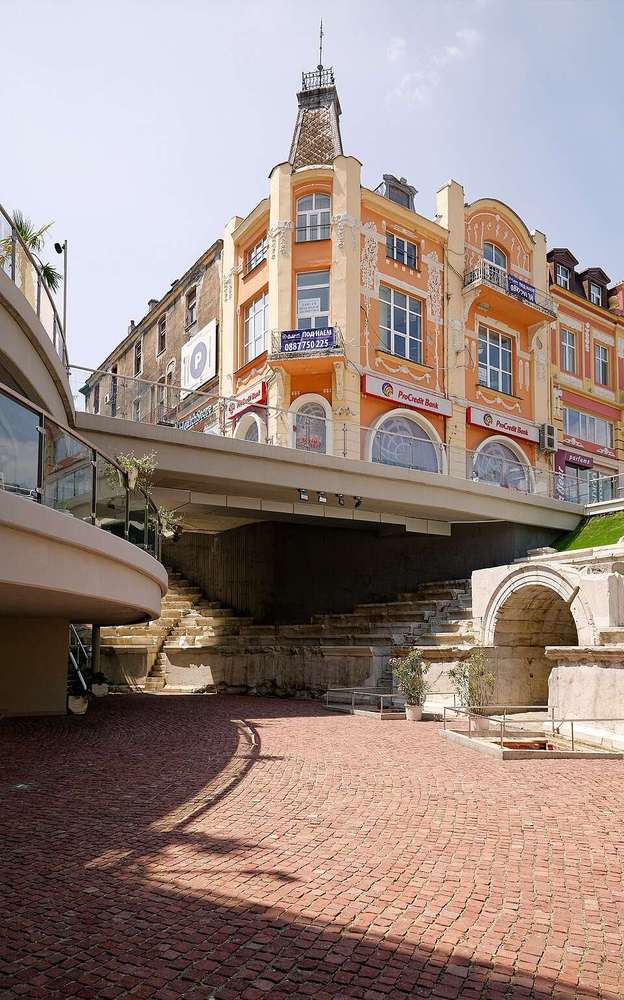
Built under Emperor Hadrian in the early second century, Philippopolis’s stadium occupied the northern part of the fortified city. Its site followed the natural depression between Taksim Tepe and Sahat Tepe.
Kazanlak’s Rose Museum began in 1967 as a small exhibition devoted to rose picking in the town and surrounding area. In 1969 it became an independent museum documenting the oil-bearing rose’s cultural importance.
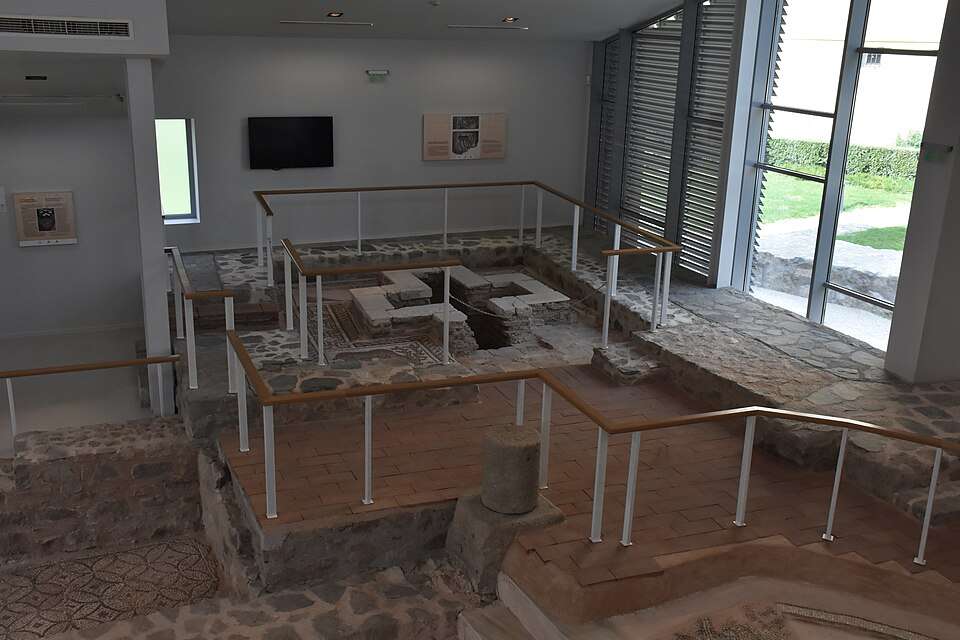
The three-aisled basilica dates from the later fifth–sixth centuries. Its rich multicoloured floor mosaics are associated with the Philippopolis school; a baptistery adjoins the north side and a chapel the south.
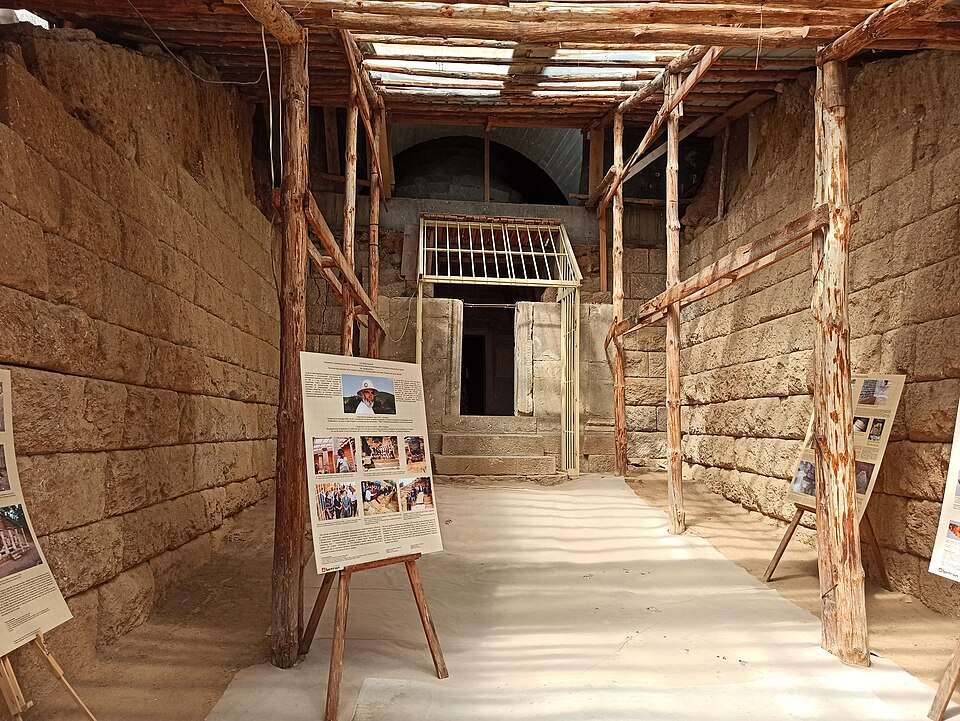
Discovered in 2000, the Chetinyova Mound complex includes stairways, a corridor and rectangular and circular chambers. Iron clamps join its carefully worked stone blocks, while wolf-tooth ornament decorates the sanctuary’s entrance.
Exhibit from Vasil Levski National Museum — Karlovo
Documents, family belongings and artworks trace Levski's work and his companions. The memorial chapel preserves a lock of his hair, linking personal biography with remembrance of Bulgaria's national liberation movement.