Markers are shown only for places with reference coordinates. Numbers link markers to the list; nearby points are grouped. Confirm the exact visiting address.
Choose up to 12 places from this page and arrange them. Your selection is temporary and clears when the page, language or filters change. In the planner you will confirm how to add them to your trip.
Choose places for your route · 24
Selected places: 0 / 12
No places selected.
The planner will check that every place is still published. This order is a proposal, not an automatically calculated road route.
Marble seats form concentric rows around ancient Philippopolis’s stage. Alongside performances, the theatre hosted public assemblies and gladiatorial contests; its contemporary stage continues the city’s musical and theatrical life.
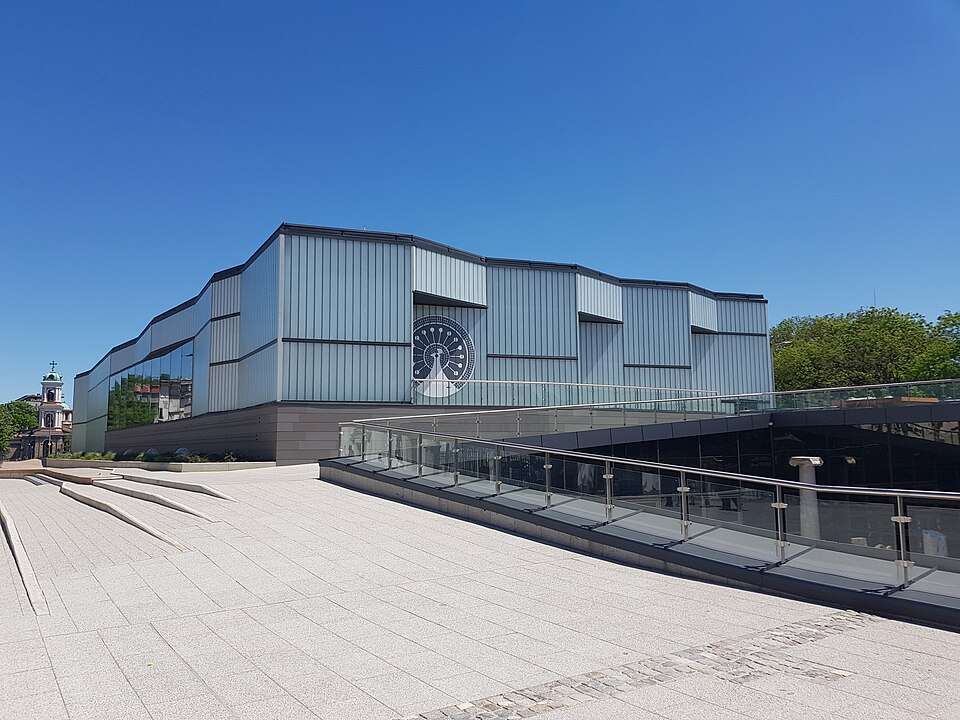
Pottery and coins demonstrate Thracian trading contacts with Aegean cities. A substantial part of the exhibition covers Roman Diocletianopolis, which flourished beside the mineral springs during the fourth–sixth centuries.
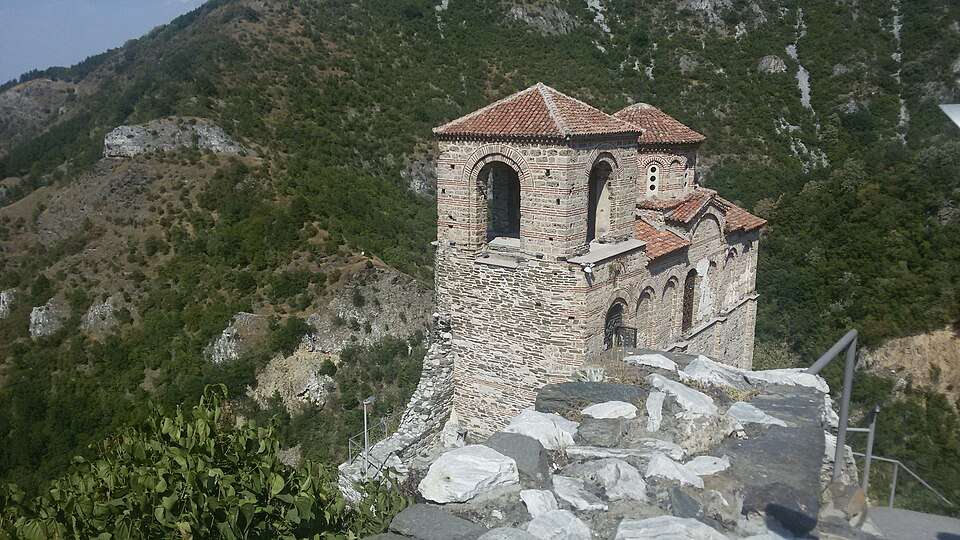
An inscription records the fortress's expansion under Tsar Ivan Asen II. Its best-preserved building is the Holy Mother of God Petrichka church, while pottery, weapons and coins illuminate medieval life here.
Artistic treasures include the refectory frescoes and Saint Nicholas Church, painted by Zahari Zograf. The monastery ossuary preserves an earlier architectural layer, illustrating the community's long development as a cultural centre.
The plateau consists of volcanic tuffs whose weathering created distinctive rock forms. Carved basins and channels add to the natural relief, while the cliffs provide nesting places for swifts and kestrels.
Two layers of colourful floor mosaics illuminate the development of late antique mosaic art. The basilica rose over earlier monumental buildings, and its ruins later became a medieval Christian cemetery.
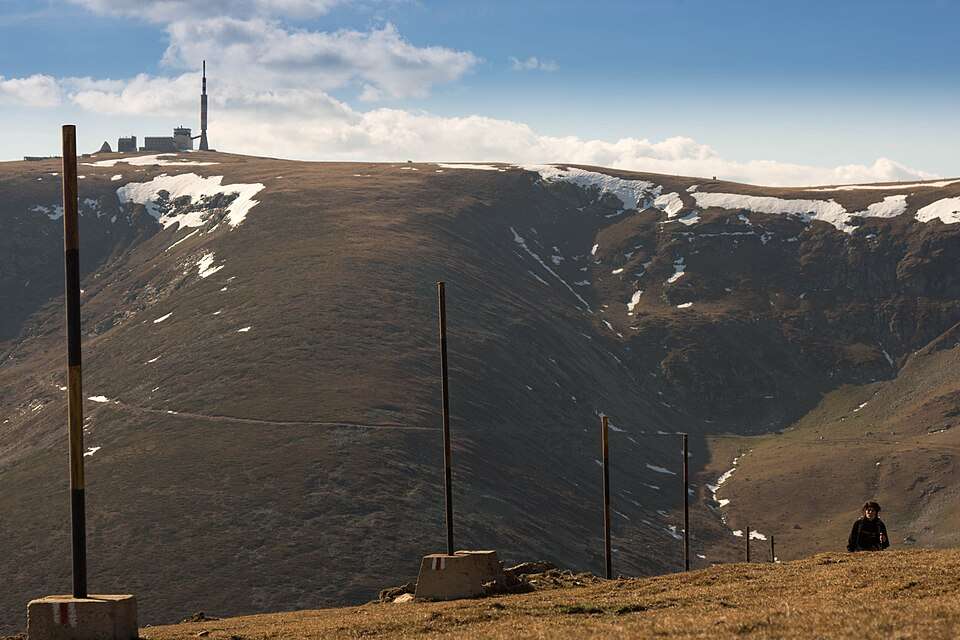
The Northern and Southern Dzhendem surround the massif with sheer cliffs and deep ravines. Snow on its slopes feeds streams and waterfalls, while the mountain observatory adds a history of meteorological research.
The park includes the highest parts of the central Balkan Mountains and nine strict reserves. Their representative old beech forests belong to UNESCO’s international heritage property protecting Europe’s ancient beech forests.
The combination of rocks, soils and elevations creates varied habitats with endemic and relict species. Black pine and ravine forests, together with springs forming limestone tufa, contribute to the area's conservation value.
Colonel Serafimov’s birthplace belongs to Svezhen’s National Revival architectural ensembles. It preserves a hiding place associated with Vasil Levski, while the neighbouring church is linked to the Adzhar manuscript school.
The single-aisled church is partly sunk into the ground. A preserved cell associated with Hadzhi Rovoama and Rada Gospozhina recalls characters from Under the Yoke and Sopot’s literary heritage.
Granite and limestone shape steep slopes, narrow gorges and large waterfalls. Beech and fir forests give way to subalpine meadows whose plant communities include rare and endemic species adapted to this mountain environment.
Mosaics in the reception rooms feature greeting inscriptions, plant motifs and a female figure named Eirene. The colonnaded courtyard and connection with the Bishop’s Basilica suggest the resident’s elevated position.
Merchant Stepan Hindliyan’s house was built in 1834–1835. Its symmetrical architecture carries rich painted decoration on walls and ceilings, while the owner’s surname recalls his commercial journeys to India in the nineteenth century.
Neolithic pottery from Muldava, prehistoric idols and ancient votive plaques reveal the region’s long history. Finds from Asen’s Fortress and ecclesiastical objects trace its development as a centre of worship.
The exhibition traces archaeology in the Stryama valley and local crafts. Braided-cord making and rose cultivation receive particular attention, while kukeri costumes connect seasonal ritual games with the culture of Karlovo.
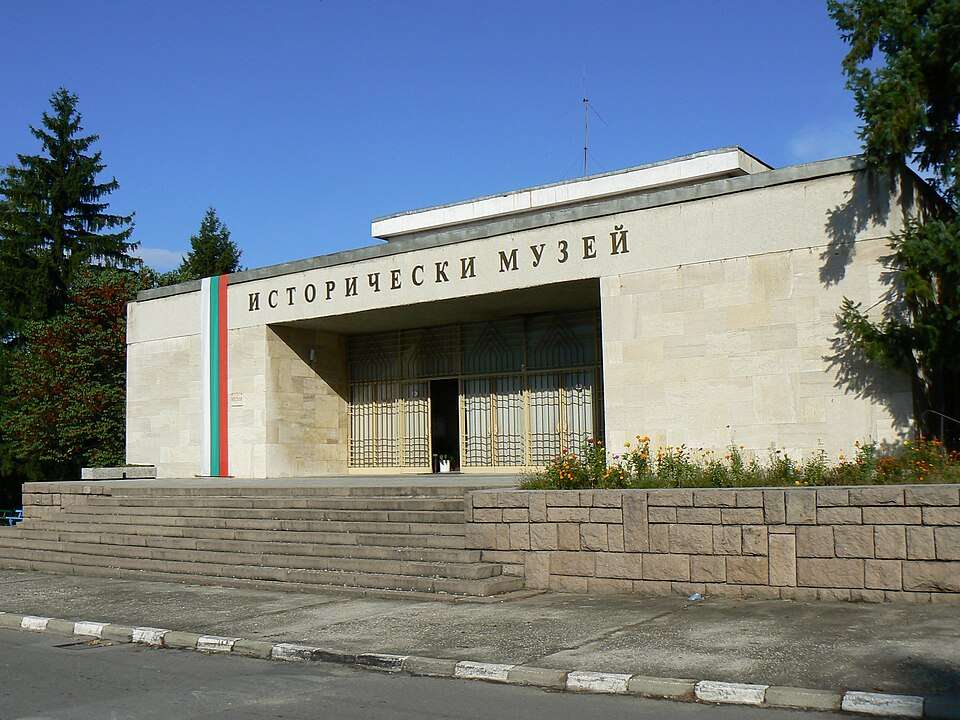
The museum occupies a community-centre memorial built through donations to commemorate the April Uprising's participants. Documents and paintings recount events, while the fundraising story reveals Klisura's enduring collective remembrance.
Finds from Duhova Mound include ancient sculptures, votive tablets and coins minted in Philippopolis. They reveal the district's Thracian and Roman past, complementing the museum's account of later liberation struggles.
Exhibit from Hristo Botev National Museum — Kalofer
Botev’s personal possessions include a pocket watch and writing implements. His mother Ivanka’s spinning wheel and sewing machine illuminate the family story, while a printing press connects the exhibition with his journalism.
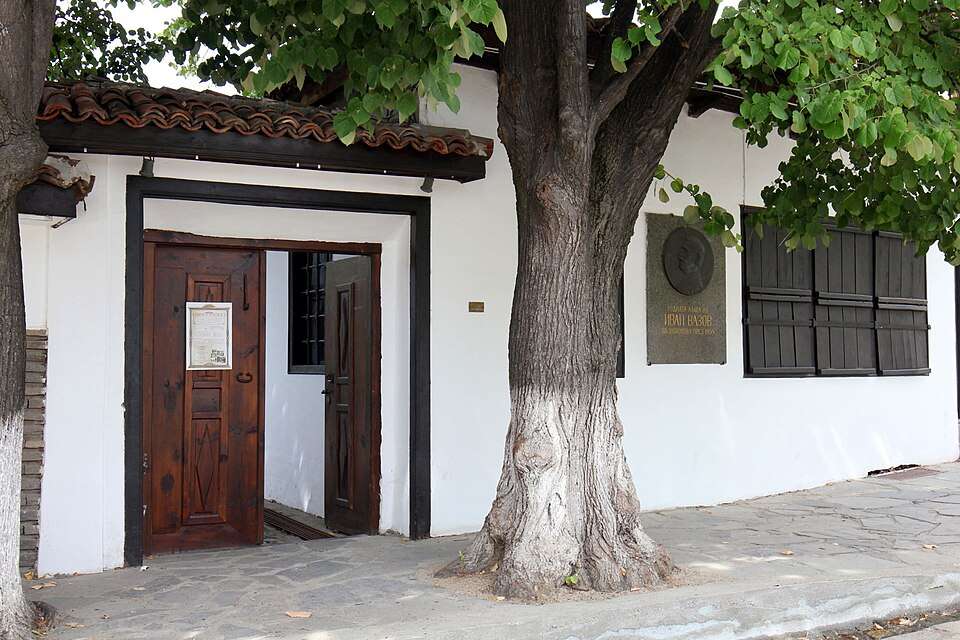
Manuscripts and museum materials trace Vazov’s literary path from his early poetry collections in Romania to his productive Plovdiv period. They also recall his stay in Odesa, where he began Under the Yoke.
Local tradition connects Kadrafil with the wounded Hadzhi Dimitar's final days after the Buzludzha battle. The memorial and commemorative hike preserve this account, whose historical details remain open to discussion.
Chapels dedicated to the twelve apostles connect the main church with a cross donated by Tsar Boris III. The overnight vigil for the Exaltation of the Cross shapes the site's pilgrimage tradition.
Pilots' belongings and documents trace Bulgarian aviation and aircraft manufacturing. The Soyuz 33 descent capsule adds Georgi Ivanov's spaceflight to this account of the country's technological achievements and aerospace heritage.
Buhalov Han links former merchants' hospitality with workshops for weaving, woodcarving and Kalofer lace. At Patev House, herbs and a small distillery add another dimension to the local culture of rose production.