Markers are shown only for places with reference coordinates. Numbers link markers to the list; nearby points are grouped. Confirm the exact visiting address.
Choose up to 12 places from this page and arrange them. Your selection is temporary and clears when the page, language or filters change. In the planner you will confirm how to add them to your trip.
Choose places for your route · 9
Selected places: 0 / 12
No places selected.
The planner will check that every place is still published. This order is a proposal, not an automatically calculated road route.
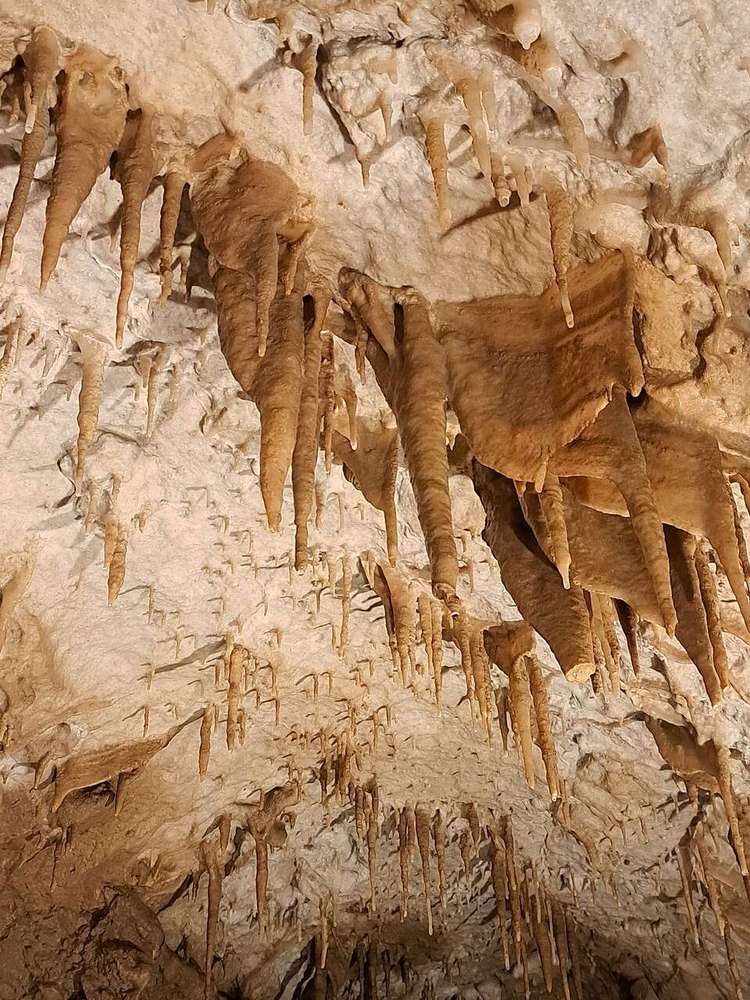
Biserna is a two-level karst cave with galleries arranged above one another. An underground river flows through its lower level, while stalactites, stalagmites and stone curtains illustrate the variety of limestone formations.
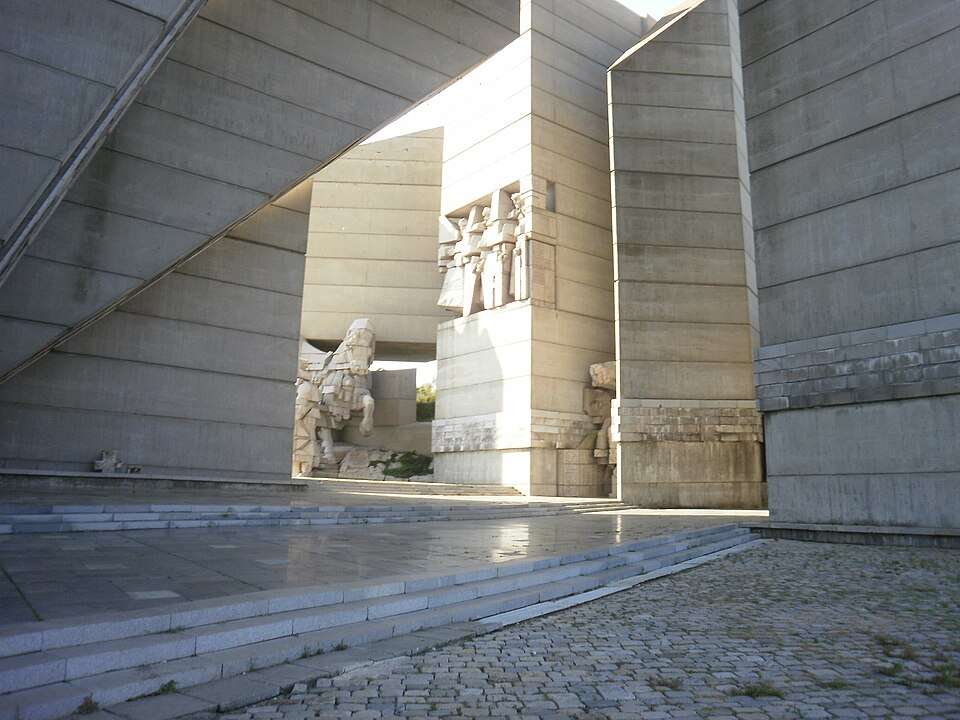
Opened in 1981 for Bulgaria’s 1,300th anniversary, the complex depicts rulers and scholars of the First Bulgarian Empire. Sculptural figures, mosaics and inscriptions culminate in an imposing lion above Shumen Plateau.
Greek inscriptions surrounding the relief preserve information about early Bulgarian khans. The horseman, lion and following dog form a scene whose composition combines symbols of authority with an unusual rock-carving technique.
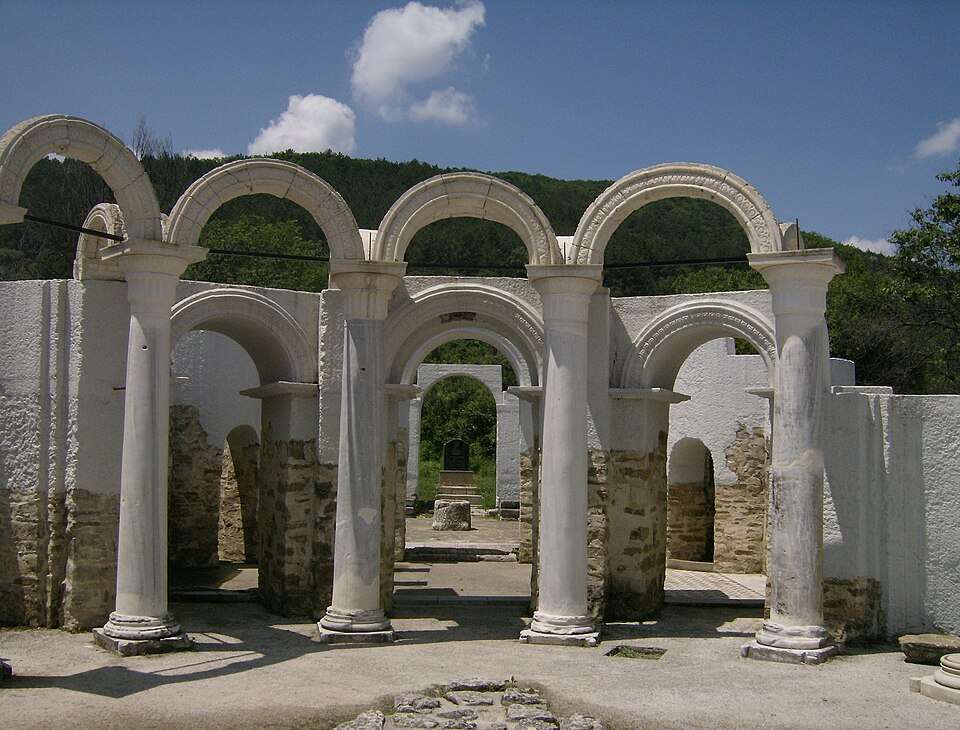
The first Bulgarian capital’s defences combined an earthen rampart, stone wall and fortified citadel. Palace remains and the Great Basilica trace its transition from a rulers’ centre to early Christian culture.
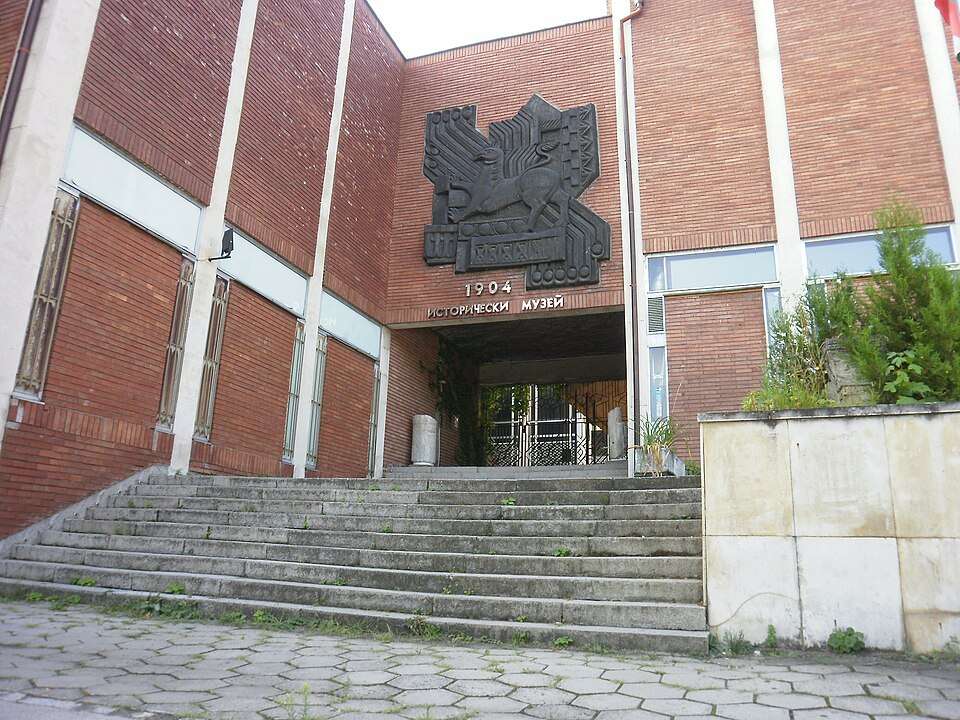
The thematic galleries trace the region's prehistoric, ancient and medieval heritage. The treasury displays coins and metalwork, while icons and church furnishings provide evidence of religious life and local artistic traditions.
The fortress developed across four terraces and preserves traces of Thracians, Romans, Byzantines and Bulgarians. During the Middle Ages, its position between Pliska, Preslav and Madara supported crafts, trade and urban life.
Underground rivers, caves, sinkholes and rock formations shape the plateau's karst landscape. Rock monasteries and fortress remains add cultural layers, showing how natural terrain guided human settlement and religious life.
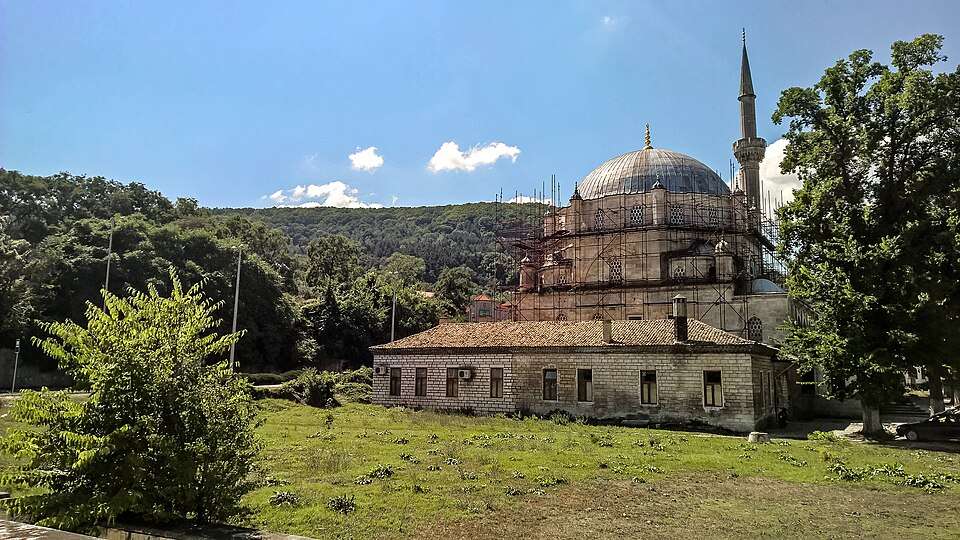
The arcaded courtyard combines a ritual washing fountain with rooms of the former madrasa. Its library preserves Arabic and Persian religious literature, revealing the complex's educational role alongside worship.
Preslav’s museum collection includes a gold treasure, lead seals and ceramic icons, notably the image of Saint Theodore Stratelates. These finds illuminate the artistic and administrative traditions of Bulgaria’s second medieval capital.