Markers are shown only for places with reference coordinates. Numbers link markers to the list; nearby points are grouped. Confirm the exact visiting address.
Choose up to 12 places from this page and arrange them. Your selection is temporary and clears when the page, language or filters change. In the planner you will confirm how to add them to your trip.
Choose places for your route · 21
Selected places: 0 / 12
No places selected.
The planner will check that every place is still published. This order is a proposal, not an automatically calculated road route.
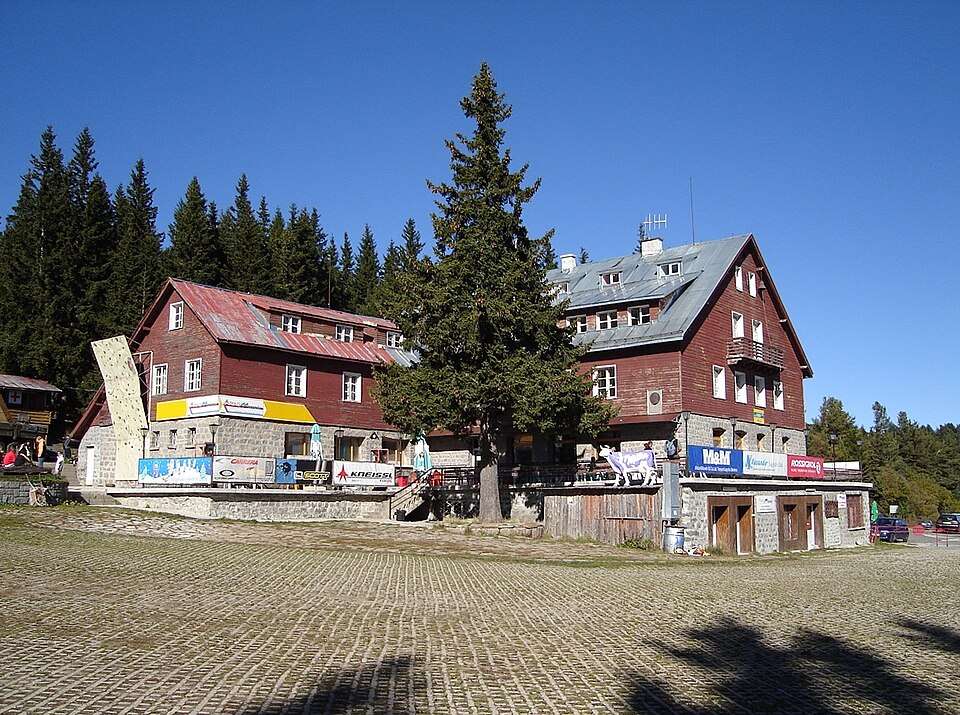
The hut stands in the Maslovitsa area at 1,977 metres above sea level. It is a point on European route E4, linked by walking trails to Cherni Vrah and Tintjava Hut.
Public donations and state support helped build the cathedral. Specialists of six nationalities contributed, while coloured marbles, onyx, alabaster and painting created the richness of its interior decorative ensemble.
Under Emperor Trajan, the city gained autonomous rights and the name Ulpia Serdica. Its principal streets, Cardo Maximus and Decumanus Maximus, shaped the urban plan, later protected by fortified gates and double walls.
The reserve protects primary spruce ecosystems and subalpine species. Beech, birch and rowan grow among the conifers, while grassy areas and stone runs above the woodland shape its distinctive mountain landscape.
Kaloyan and Desislava funded the two-storey extension in the thirteenth century. Queen Eleonora later saved the church from demolition and, following her death in 1917, was buried beside its southern side.
The waterfall forms on the Boyana River within Vitosha’s andesite rock belt, around 1,260 metres above sea level. When river flow is high, its stream can be distinguished from central Sofia.
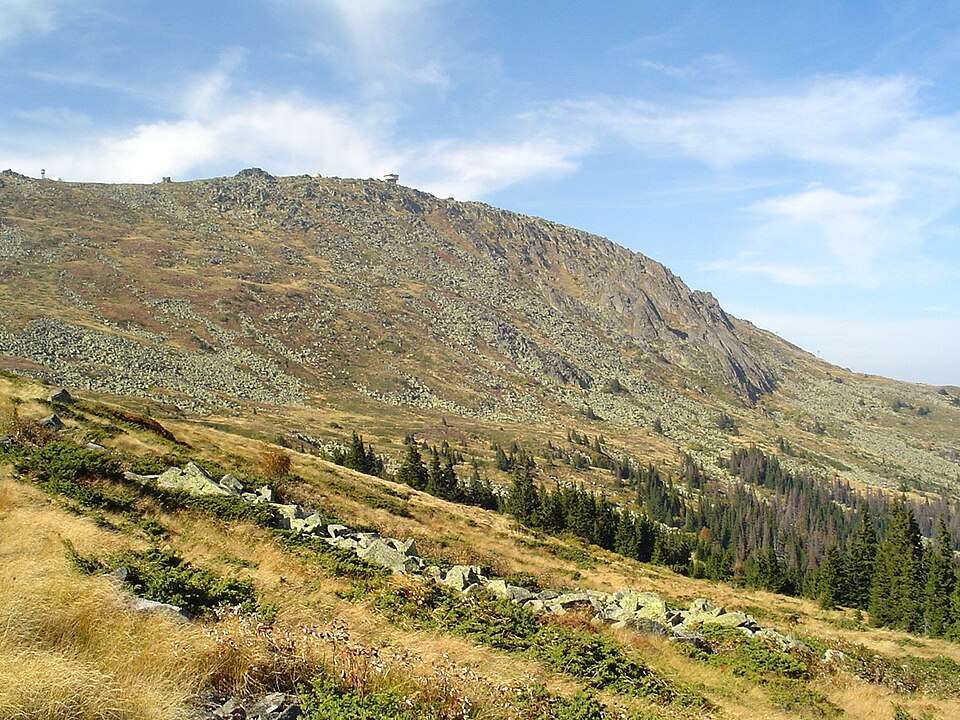
Gentle slopes carry large rock blocks and subalpine vegetation. The summit area forms a watershed between Black Sea and Aegean drainage, with the Struma River beginning south of the peak.
Giant crystals, some comparable to human height, stand alongside gemstones and mineral resources. The collection's growth through donations transformed individual interests in mineralogy into a shared heritage of natural science.
Athletes' donations brought together Olympic medals, competition kits and personal belongings. Football memorabilia of Georgi Asparuhov and Hristo Stoichkov complements a mountaineering collection associated with Hristo Prodanov, Bulgaria's first Everest climber.
Established in March 2007, the museum traces human physical types from the Neolithic to the Revival era. Skeletal remains and reconstructions illustrate burial practices, skull deformation and evidence of disease.
The Treasury displays the Valchitran, Lukovit and Nikolaevo treasures alongside important funerary finds. Museum collections develop closely with archaeological research spanning prehistory, classical antiquity and the medieval period across Bulgaria.
The Palace branch occupies parts of a converted Ottoman administrative building and later royal wings. Former throne and reception rooms connect the exhibitions with Sofia's development as the Bulgarian capital.
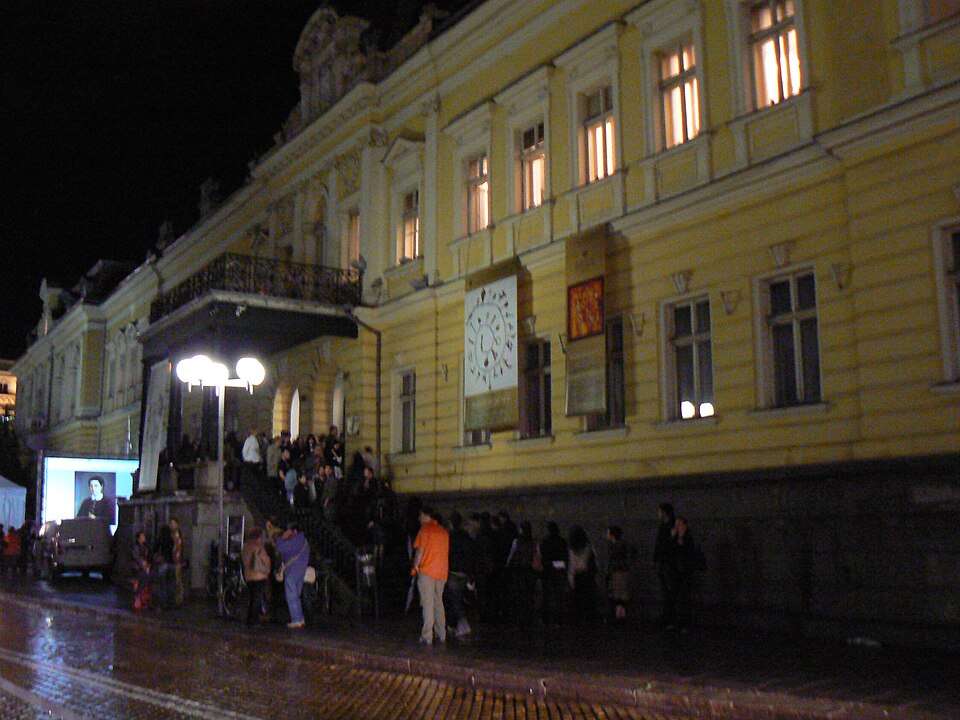
The collections bring together traditional costumes, jewellery, woodcarving and ritual objects from Bulgarian regions. In 1937, Princess Evdokia donated her embroidery, textile and ornament collection to the museum in the former palace.
Established in 1973, the museum traces history from prehistory to modern times. Collections include Thracian treasures and medieval art; since 2000, its exhibitions have occupied a former government residence in Boyana.
Exhibit from National Museum of Military History — Sofiya
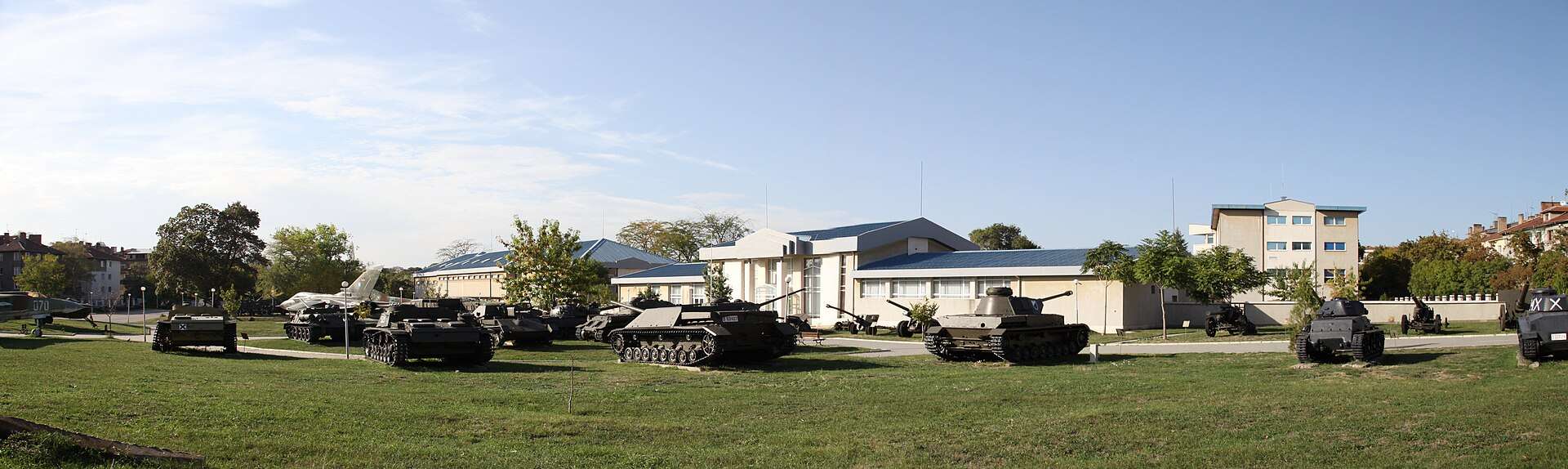
Chronological galleries follow battles, liberation movements and army history. Collections of uniforms and decorations are complemented by an outdoor exhibition of artillery, armoured vehicles, aircraft and military engineering equipment.
The museum grew from Prince Ferdinand’s natural-history collections. Alongside birds, mammals and minerals, it preserves extensive cave-fauna material and continues scientific research into animals, plants and prehistoric discoveries.
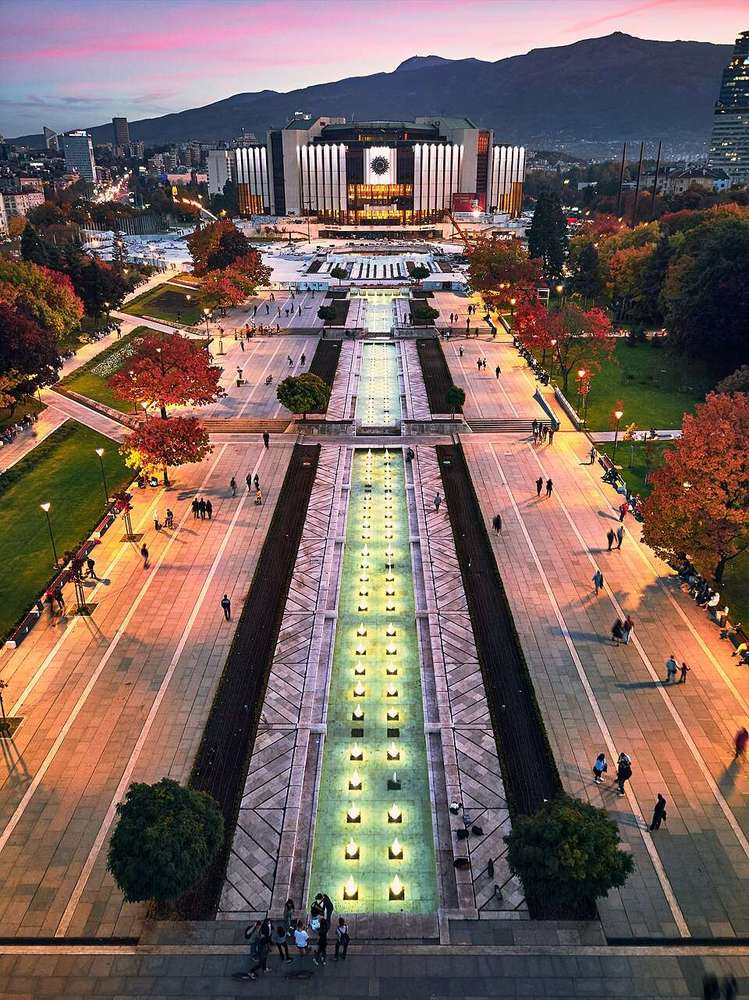
The palace opened in 1981 for the Bulgarian state’s 1,300th anniversary. Eight above-ground floors and three underground levels form a multipurpose architectural complex designed for concerts, exhibitions, film screenings, congresses and public events.
Highlights include Petar Beron’s telescope, an Edison phonograph and an early Bulgarian television camera. Clocks, computing devices and space instruments demonstrate different directions of technological invention across successive generations.
The name Samardzhiyska recalls the horse-saddle makers who supported the church. Dedicated to Saint Paraskeva of Iconium, it connects Sofia's medieval craft community with enduring Orthodox veneration of the martyr.
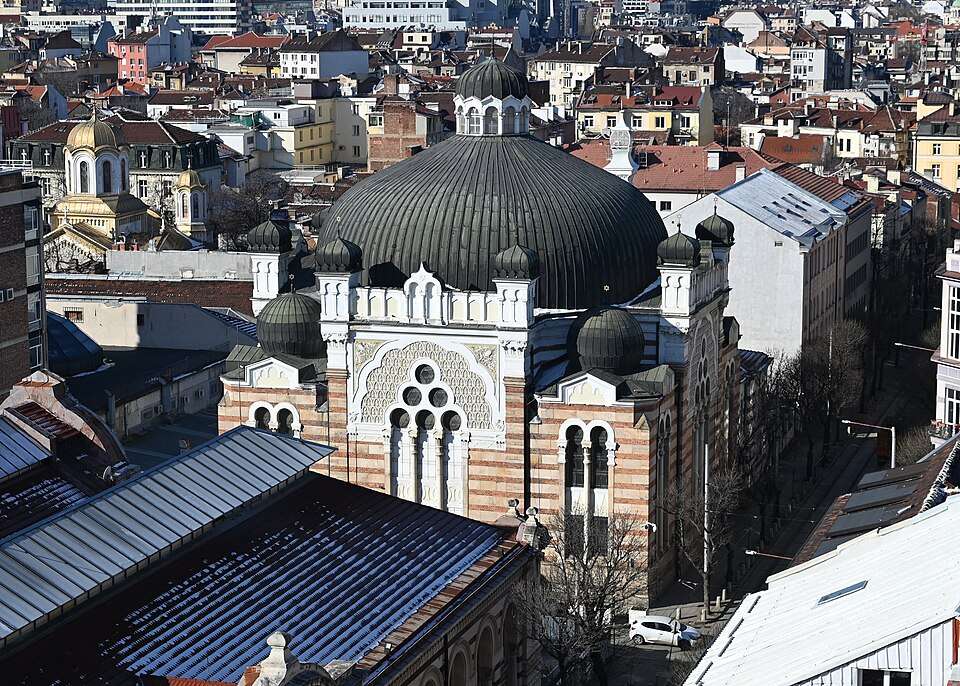
Viennese architect Friedrich Grünanger designed the synagogue. Multicoloured Venetian mosaics and marble columns enrich its interior, while a large octagonal dome and imposing chandelier crown the main space for prayer.
Founded in 1888 through Prince Ferdinand’s initiative, the zoo began with a black vulture. Its first lions arrived in 1892, and ornithologist Paul Leverkühn subsequently played an important role in its development.