Markers are shown only for places with reference coordinates. Numbers link markers to the list; nearby points are grouped. Confirm the exact visiting address.
Choose up to 12 places from this page and arrange them. Your selection is temporary and clears when the page, language or filters change. In the planner you will confirm how to add them to your trip.
Choose places for your route · 22
Selected places: 0 / 12
No places selected.
The planner will check that every place is still published. This order is a proposal, not an automatically calculated road route.
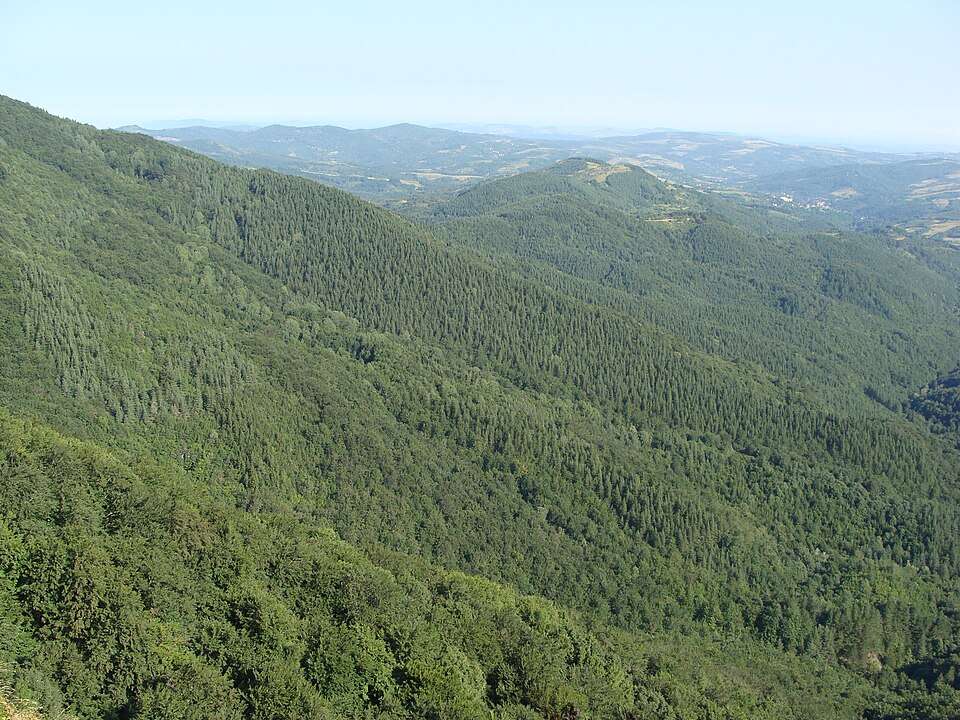
Beech ecosystems form a central part of the protected natural heritage. The forests shelter bears, wolves and deer, while varied slopes and climatic conditions support rich flora, including many medicinal plants.
The park includes the highest parts of the central Balkan Mountains and nine strict reserves. Their representative old beech forests belong to UNESCO’s international heritage property protecting Europe’s ancient beech forests.
The museum occupies the home of Dimitar Hristov Chorbadzhiyski, known as Chudomir. Alongside the writer and local historian’s legacy, it presents paintings by his wife Mara, adding a family artistic perspective.
The monument resembles the flying Samara flag, while six volunteers and a Russian officer symbolise the Bulgarian battalions. The ossuary at its base connects the architectural image with remembrance of the fallen.
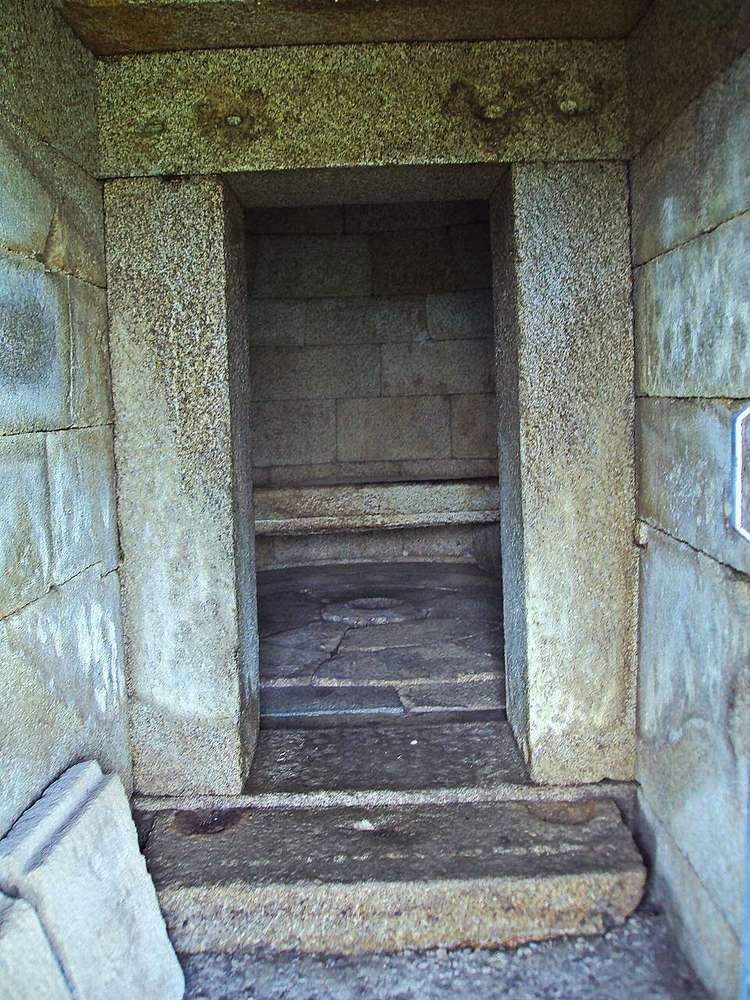
Stone double doors close the domed chamber, whose floor forms concentric bands around a circular block. The burial bed and horse remains in the antechamber reveal the Thracian tomb’s ritual character.
The temple complex includes rectangular and domed chambers, plus a room carved from a huge granite block. Marble doors bear Helios and Medusa; the sanctuary later served for an aristocratic burial.
The fourth-century BC tomb has a long corridor, rectangular antechamber and circular domed chamber. Double stone doors closed the rooms; opposite the entrance stands a stone bed with a lion-paw-decorated step.
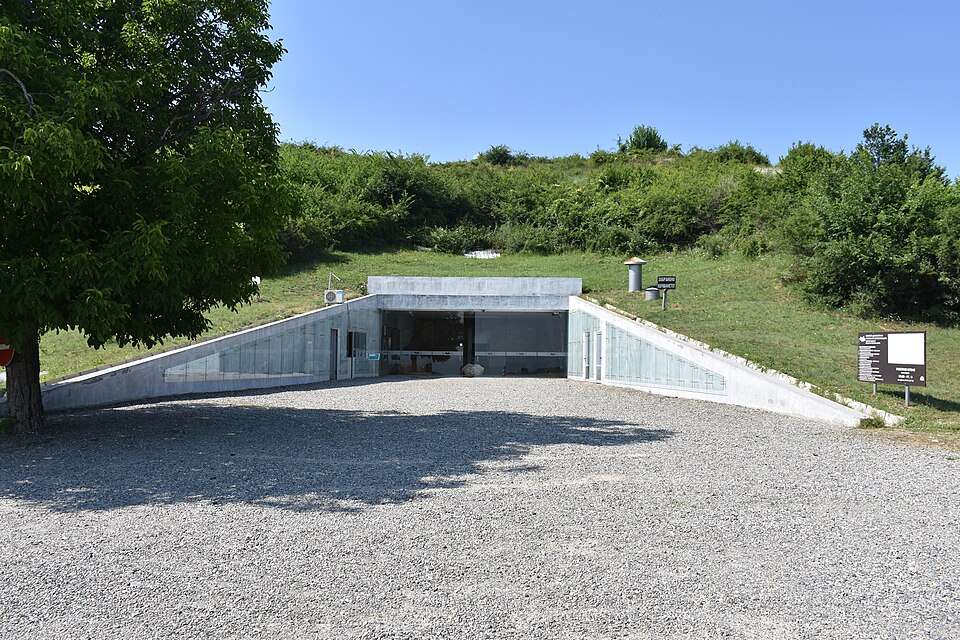
The mid-fourth-century BCE tomb combines a long corridor with rectangular rooms. Grooves cut into its fine white plaster imitate marble blocks, while the burial chamber retains a two-leaf stone door with an internal locking mechanism.
Soldiers discovered the tomb accidentally in 1944. Its principal treasures are surviving murals: military scenes in the corridor and a funerary banquet in the domed chamber, where the ruler and his wife join hands.
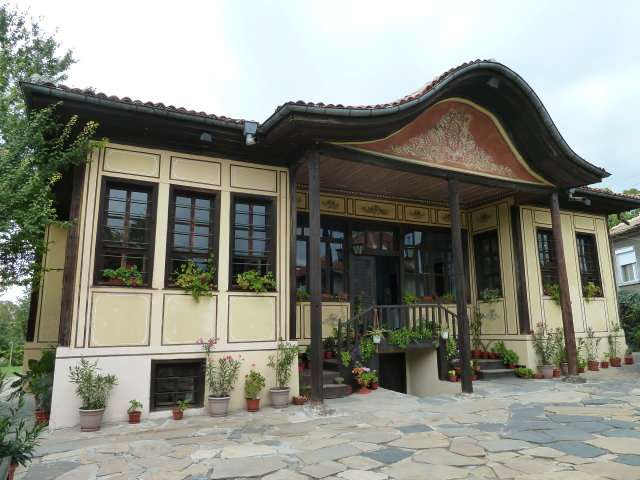
Two restored houses reveal different aspects of Kazanlak life: a Sub-Balkan rural home and benefactor Ivan Hadzhienov's residence. Farming equipment and domestic interiors illuminate links between livelihood, prosperity and urban culture.
A sudden fire preserved the contents of two Neolithic homes beneath their collapsed walls. Pottery, hand mills, ovens and charred grain reveal agriculture and domestic life among the area’s earliest inhabitants.
Nikola Manev purchased the Revival-period house in 2000 and transformed it into a gallery of his work. South American crystals donated by Iliya Delev accompany the paintings, bringing art together with natural forms.
One chamber was carved from a single granite block. Its panelled ceiling carried portraits, scenes and ornament, while a surviving horse burial demonstrates the richness of the ancient funerary ritual.
Domestic interiors evoke Yavorov's early years, while photographs and original belongings trace his creative life. The museum is also associated with the January Yavorov Days, celebrating literature and the arts.
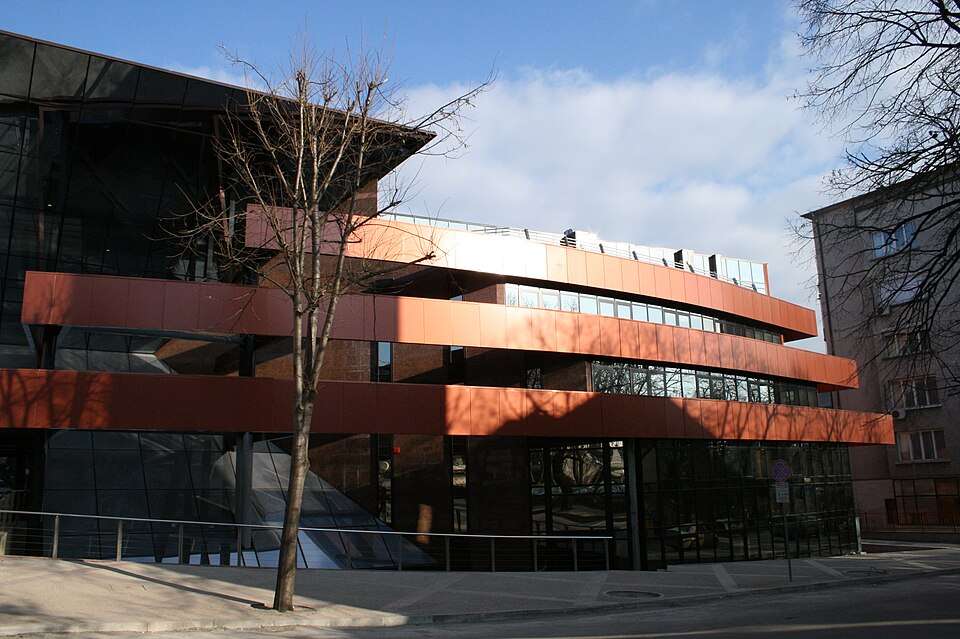
Prehistoric finds, ancient glass and bronze, mosaics and medieval art trace the region's long development. Numismatic and ethnographic collections add evidence of exchange, daily life and changes in local culture.
Chemistry teacher Hristo Yaramov was associated with the early laboratory for testing rose oil. Purity certificates supported exports and show how scientific analysis helped protect the reputation of the local industry.
Kazanlak’s Rose Museum began in 1967 as a small exhibition devoted to rose picking in the town and surrounding area. In 1969 it became an independent museum documenting the oil-bearing rose’s cultural importance.
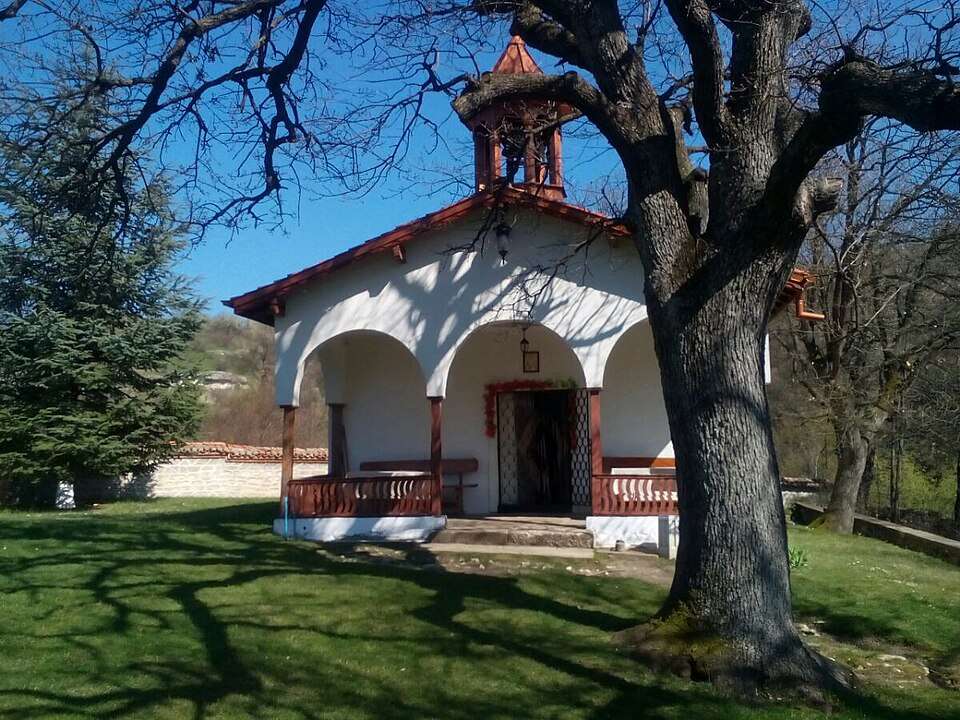
The monastery is associated with the tradition of Saint Athanasius the Great and its foundation in AD 344. A rock hermitage and monastery well feature in local pilgrimage customs and legends.
The park museum preserves battle positions, batteries and dugouts associated with the pass’s defence in 1877–1878. The Freedom Monument displays weapons, documents, decorations and personal possessions belonging to participants in the fighting.
The gilded limewood iconostasis includes icons painted on cypress wood, donated by Athos's Saint Panteleimon monastery. Beneath the church, sarcophagi containing fallen soldiers' remains connect its artistic decoration with commemoration.
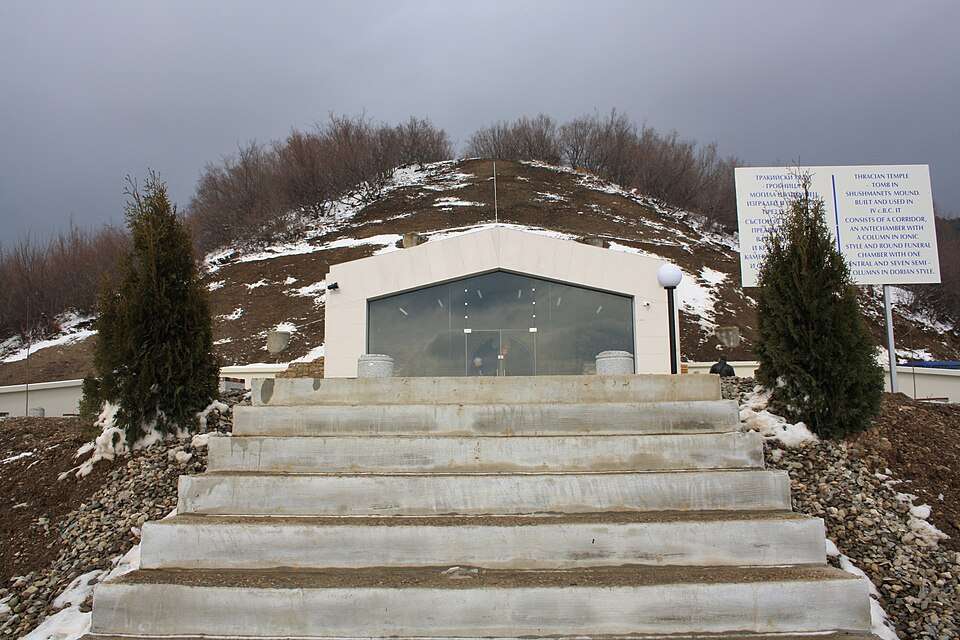
An Ionic column adorns the antechamber, while a Doric column supports the circular chamber's dome. Stone doors with stylised sun discs and surviving white plaster reveal the Thracian funerary complex's refined architecture.
A gold funerary mask is among the masonry grave's remarkable finds. Weapons, a silver vessel and painted pottery complete the assemblage, revealing the buried Thracian aristocrat's status and cultural world.