Markers are shown only for places with reference coordinates. Numbers link markers to the list; nearby points are grouped. Confirm the exact visiting address.
Choose up to 12 places from this page and arrange them. Your selection is temporary and clears when the page, language or filters change. In the planner you will confirm how to add them to your trip.
Choose places for your route · 12
Selected places: 0 / 12
No places selected.
The planner will check that every place is still published. This order is a proposal, not an automatically calculated road route.
The writer donated his birthplace to Svishtov municipality during his lifetime. Surviving books, photographs and personal belongings illuminate his satire, travels and foundational role in Bulgaria's organised hiking movement.
Founded by Ivan Momchilov, the school trained pupils who became teachers across Bulgarian lands. Petko Slaveykov coined its distinctive name, while preserved classrooms and teaching materials explain Revival education.
The plateau’s limestone bedrock produces sinkholes, chasms, caves and karst wetlands. Dry grasslands are important for orchids, while rock complexes and caves provide habitats for birds and bats across the area.
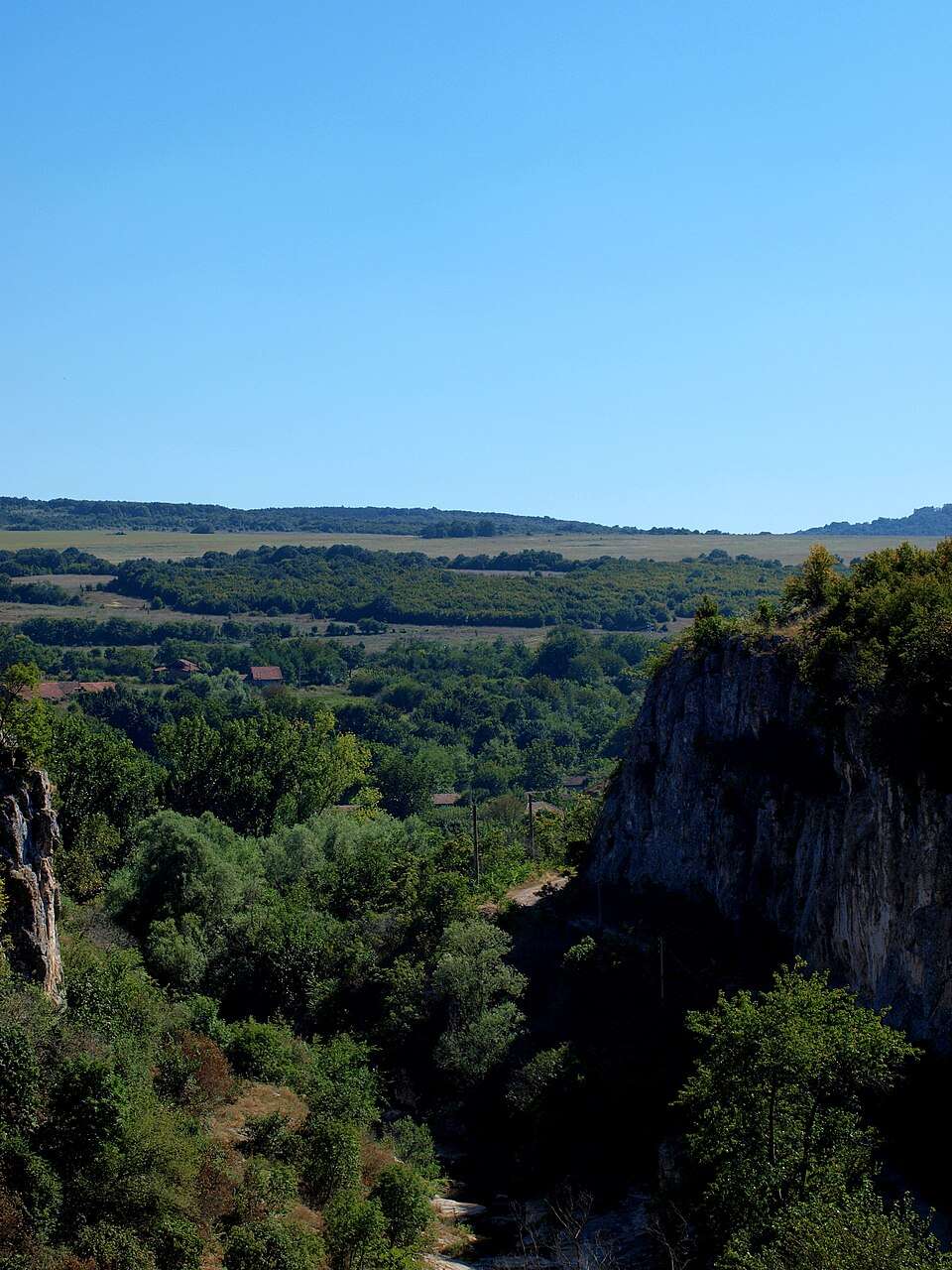
The Negovanka carved rapids, niches and pools into limestone. The canyon divides into Upper and Lower Boaz, while Momin Skok waterfall forms a striking pool enclosed by sheer cliffs on three sides.
Also known as Kaya Bunar, the waterfall belongs to a sequence of small cascades upstream. Wooden bridges and steps follow the valley, revealing different aspects of its water and rock landscape.
The house links ecclesiastical independence with National Revival literature: Ilarion Makariopolski, Nikola and Stoyan Mihaylovski were born here. One room hosted the founding of Elena’s Napredak cultural association in 1863.
Kolyo Ficheto built today’s Saint Demetrius Church between 1840 and 1842, preserving parts of the older sanctuary. Its gilded iconostasis was made by Tryavna woodcarvers Tsonyu and Simeon Vasilev.
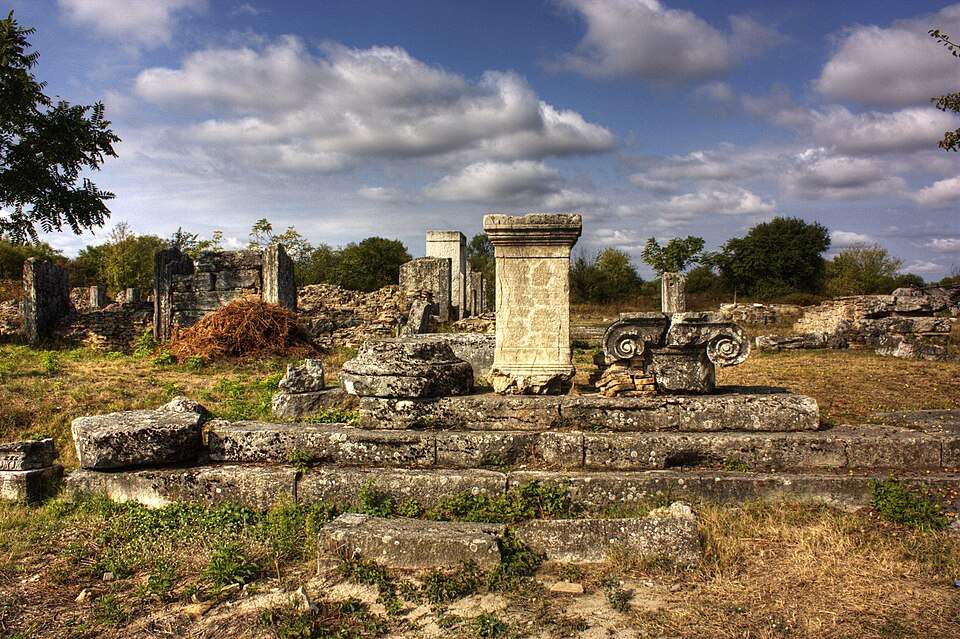
Emperor Trajan founded the city around AD 106–110 to commemorate victories over the Dacians. Its forum, odeon, paved streets and water system reveal Roman urban organisation in Lower Moesia.
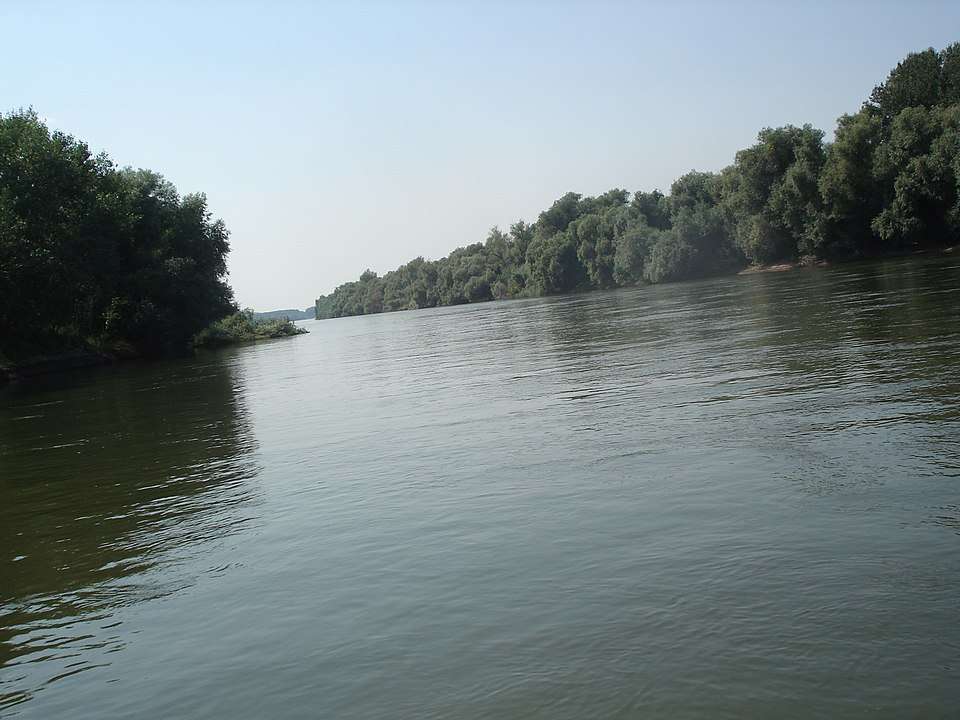
The park was established to conserve and restore Danube wetlands and natural island habitats. The Nikopol island group and Belene complex reveal the diversity of the river landscape surrounding Persin Island.
Founded in 1871, the museum preserves the Hotnitsa gold treasure, medieval seal rings and Christian art. Its literary holdings include Sofroniy Vrachanski’s Nedelnik, connecting the collections with Bulgarian Revival education and publishing.
Inside the patriarchal church, Teofan Sokerov's large secular compositions interpret medieval Bulgarian history. Excavated foundations of hundreds of houses also show that the fortified hill was a densely inhabited urban centre.
The island's floodplain ecosystem combines Vardim oak with colonies of waterbirds. This natural complex demonstrates the importance of Danube islands for preserving riverside woodland and habitats dependent on the river's water regime.