Markers are shown only for places with reference coordinates. Numbers link markers to the list; nearby points are grouped. Confirm the exact visiting address.
Choose up to 12 places from this page and arrange them. Your selection is temporary and clears when the page, language or filters change. In the planner you will confirm how to add them to your trip.
Choose places for your route · 5
Selected places: 0 / 12
No places selected.
The planner will check that every place is still published. This order is a proposal, not an automatically calculated road route.
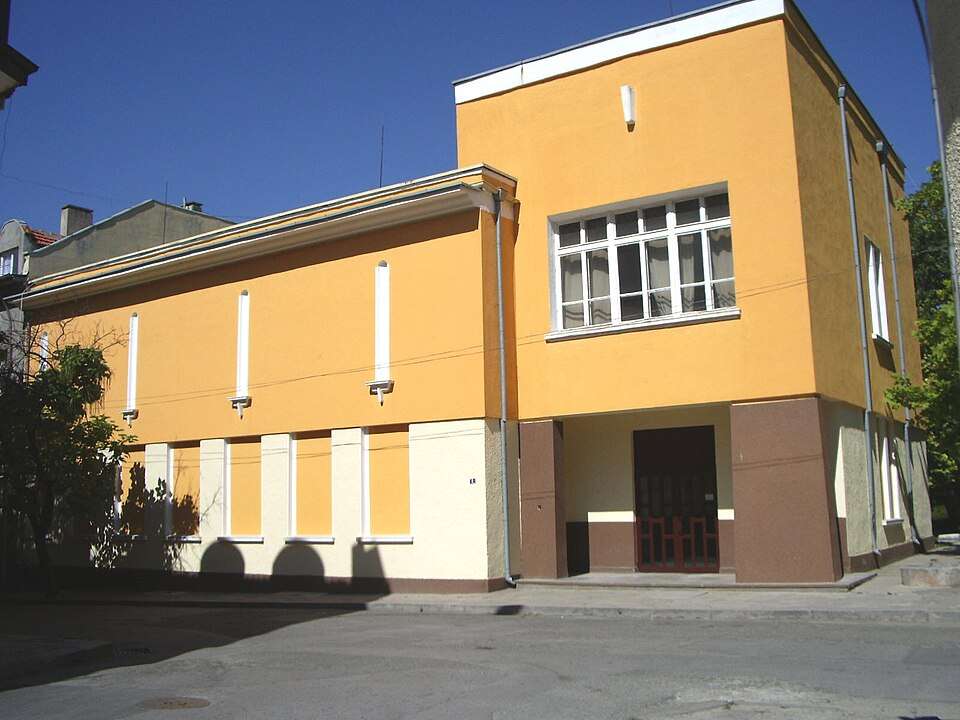
The former covered market presents urban history through three-dimensional imagery and stories of people associated with Yambol. A concert hall with an organ adds a musical role to the building's remarkable acoustics.
The ethnographic collection presents local life and the heritage of settlers from Eastern and Aegean Thrace. Clothing, jewellery, textiles and livelihood objects complement archaeological finds from the lands along the Lower Tundzha.
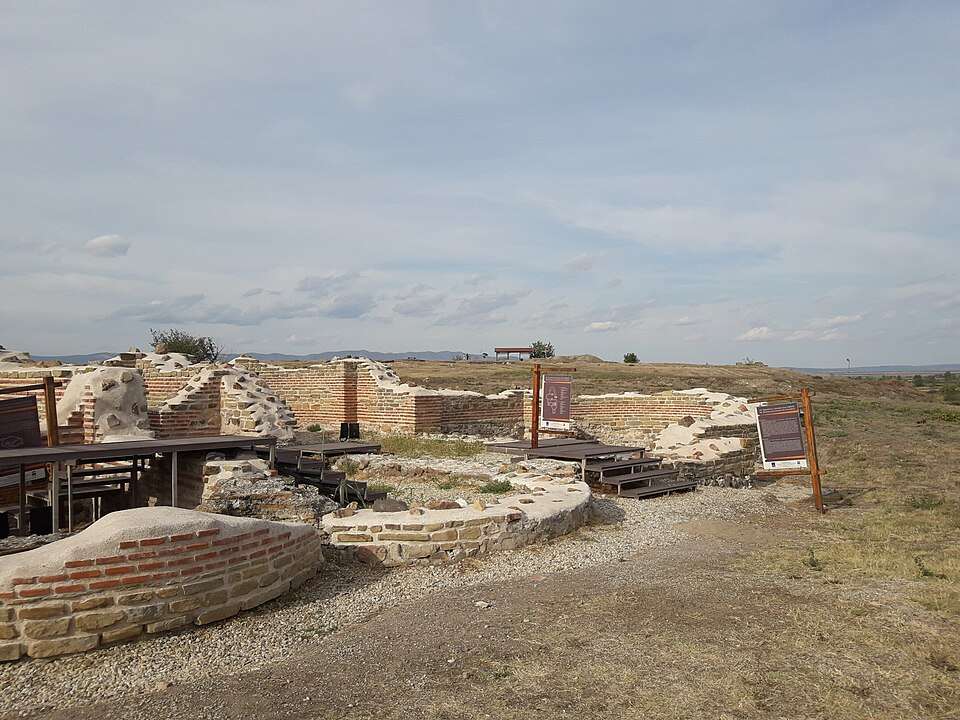
Kabile developed its own coinage and trading links with the Aegean world before becoming a Roman military camp. With no modern town above the ruins, its successive historical layers remain especially informative.
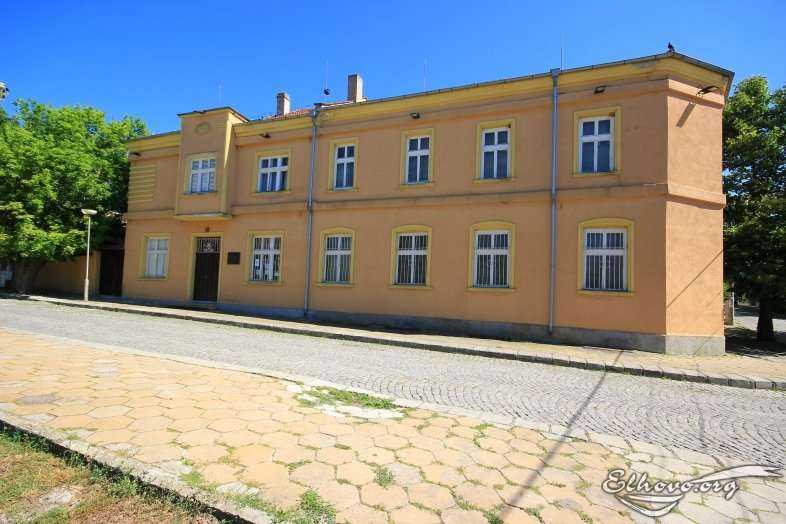
The museum occupies the former Pioneer Barracks, once home to the Third Pioneer Battalion. The restored memorial gateway of the Twenty-Ninth Yambol Infantry Regiment symbolises remembrance of local military formations after Liberation.
The first local museum collection was established in 1886 at Petar Noykov’s initiative. Later archaeological research at Kabile and the settlement mound near Drama continues to enrich the museum’s holdings.